
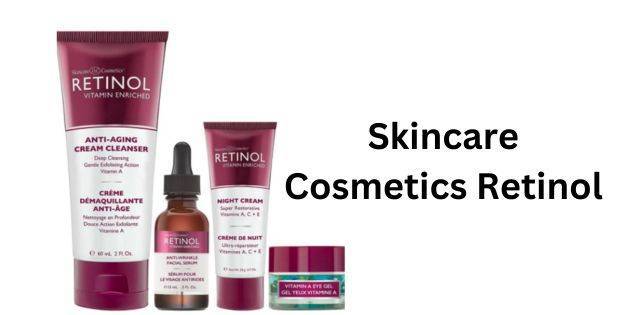
Retinol is a skincare superhero and has long been celebrated for its slewing impact on the skin. A very well-studied and tested active ingredient in dermatology, retinol can help to reduce all kinds of skin imperfections, from wrinkles and fine lines to acne and dark spots.
In this post, we’ll talk about the science behind retinol, what it is, and why it is an indispensable ingredient in skincare products to get smoother, younger-looking skin.
What Is Retinol?
Retinol is Vitamin A, a fat-soluble vitamin that is involved in cell production, renewal, and repair of the skin. Retinol and other retinoids (such as tretinoin and retinaldehyde) are also frequently found in cosmetics because they work well on cell turnover, wrinkles, and even skin tone.
Topically, retinol penetrates the skin and speeds up cell regeneration so that the skin sheds old skin cells and shows you younger, fresher skin beneath.
How Does Retinol Work?
Retinol works by resolving skin retinoid receptors at the cellular level. This kicks in processes that accelerate the turnover of skin cells, which is critical for healthy, supple skin.
These increases in cell turnover prevent blocked pores (which lead to acne), lighten hyperpigmentation (from sunspots to melasma), and increase the production of collagen (essential for skin elasticity and fading fine lines and wrinkles).
Key benefits of retinol include:
Better Skin Texture: Retinol smooths uneven spots so that skin appears smoother and even.
Steady Production of Collagen: This results in plumper and more toned skin and fewer wrinkles and fine lines.
Combats Acne: Retinol unclogs pores, shrinks the existing spots, and keeps future acne from occurring.
Retinol Lightens Dark Spots: Retinol quickly lightens dark spots, pigmentation and skin tone irregularities so that the skin is smoother and radiant.
Skincare Makeup: You Need To Take Retinol With You Every Day!
Skincare products now often contain retinol or its derivatives because they work better than anything else to alleviate skin problems.
For acne, fine lines, and dullness, the use of retinol will pay long-term, visible dividends. But in order to get the most out of your retinol-based skincare, know how to incorporate it into your skincare routine.
What You Can Do With Retinol in Your Skincare Products?
- Take It Slowly: Retinol is powerful, and some people’s skin may react to it at first by becoming dry, irritated, or peeling. In the event that you’re a first-time user of retinol, only apply once or twice a week and gradually increase your usage as your skin gets used to it.
- Makeup Removal: Always begin with a soft cleanser that cleanses the makeup, dirt, and excess oils. Beware of a strong cleanser that is drying on your skin because retinol already dries your skin out.
- Light Slick: Wash and dry your face then dab a bit of retinol onto your face. Use only a pea-sized amount so you don’t get irritated.
- Lotion: After retinol, use a hydrating moisturizer. This will help avoid itchiness and irritation and will keep the skin barrier, which is damaged by retinol.
- Apply Sunscreen: Retinol makes your skin more prone to sunburn and pigmentation. Every morning is the key to using broad-spectrum sunscreens, especially those with retinol in them.
- Use at Night: Retinol is best applied at night since it dissolves in the sun. Even in the nighttime, you can have the ingredients working without interruption as you sleep.
Retinol and Other Active Ingredients
Retinol is a powerful ingredient alone, but you can layer it on top of other skin care products to get even better results. But what you do want to be sure of, though, is which combinations work best and which get you irritated:
- Hyaluronic Acid: This ingredient is a hydrating superstar that goes well with retinol. It keeps the skin hydrated and can reduce the stinginess or itchiness of retinol.
- Vitamin C: Whether you are using Vitamin C or retinol, both work to prevent aging, but you should use them at different hours of the day. Vitamin C is better taken in the morning and retinol at night.
- Peptides: These are small molecules made up of amino acids which help the skin to recover faster. : Peptides can be added to retinol to give skin elasticity and firmness in addition to anti-aging.
- Do Not Mix Retinol With Benzoyl Peroxide: Don’t use benzoyl peroxide in acne treatment with retinol because the two are both irritating and dry-up-producing.
Retinol Side Effects and How to Avoid Them Frequently.
Retinol works wonderfully but it does come with its drawbacks, especially when you first begin using it. These include:
- Dryness and Flaking: At first, your skin may become dry, peeled, or tight from retinol. You can counter this with a thick moisturizing product or consider hydrating serum before retinol.
- Rosacea and Itching: This is the usual side effect, mainly when the skin is sensitive. So, if irritation is the primary concern, start with less retinol and gradually build it up as your skin gets used to it.
- Sun Protection: Retinol makes your skin more sensitive to the sun, so sun protection should be part of your skincare regimen.
Skincare Makeup with Retinol: What to Look For?
When you’re searching for skincare cosmetics with retinol, look for the following essential elements:
- Concentration of Retinol: Begin with lower concentrations (0.25% to 0.5%) if you’re new to retinol and gradually up the strength (1% or higher) while your skin adapts to the component.
- Formulation: Whether you are using retinol in a serum, cream, or oil. The stronger the serums are and creams might be more suitable for dry or sensitive skin.
- Packaging: Retinol reacts to light and air, which lowers the strength over time. Please find those in clear or airtight containers so that the retinol works.
- Other Ingredients: Most retinol is infused with soothing agents such as aloe vera, vitamin E, or niacinamide to balance any irritation.
Conclusion
Retinol certainly is one of the most potent skincare cosmetic ingredients, with a ton of benefits for your skin. Be it fine lines, acne, or a glowy skin tone, retinol can be trusted to get results you can trust.
You can experience all the goodness of the superstar ingredient with flawless, healthy skin if you know how to use retinol right in your skincare routine and watch out for the side effects.
If you want to give retinol a try, start slowly, listen to your skin, and always see a dermatologist if you have questions or skin conditions. Taken at the proper dose, retinol can become your go-to product for younger, more radiant skin.


