
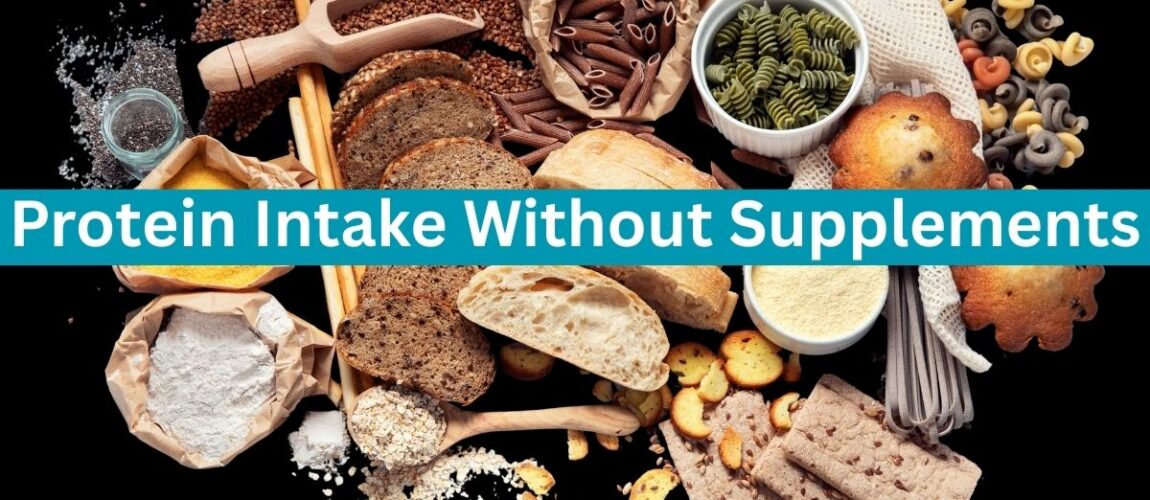
What are the best ways to increase protein intake without supplements? Protein are always expensive powders and fancy supplements. After years of trying different approaches, I discovered that whole foods offer the best path to meeting your protein needs. Let me share what I learned about boosting natural high-protein foods and simple diet tips to meet your daily protein needs.
Why Natural Protein Sources Beat Supplements Every Time
Real food provides complete nutrition packages. Supplements only give you isolated protein. When you eat chicken, fish, or beans, you get protein plus vitamins, minerals and fiber. Your body knows how to handle these natural combinations better than artificial powders.
I noticed better digestion when I switched from protein shakes to whole foods. My energy levels remain the same all day long. The best part? My grocery bill actually went down once I stopped buying expensive supplements.
Start Your Day Right: Protein-Packed Breakfast Ideas
Breakfast sets the tone for your entire day’s protein intake. I make sure to get at least 20 grams of protein in my morning meal. This keeps me full and prevents afternoon crashes.
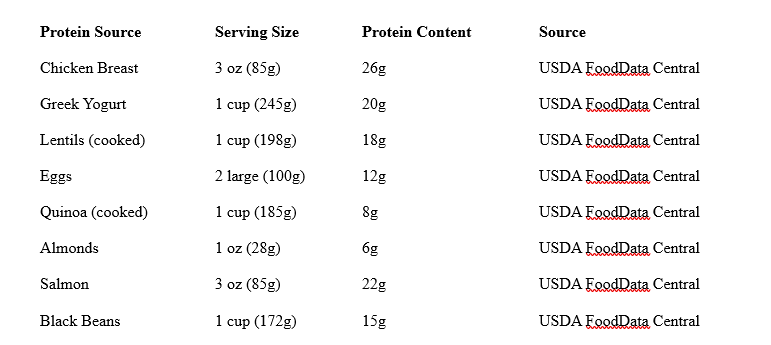
Eggs are your best friend. Two large eggs provide 12 grams of complete protein. I scramble them with vegetables or make an omelet with cheese to increase protein. Hard-boiled eggs prepared ahead make quick grab-and-go options.

Cottage cheese deserves a comeback. Cottage cheese provides us 14 grams of protein. Mix it with fruit, use it in smoothies, or eat it plain. The mild flavor works with both sweet and savory toppings.

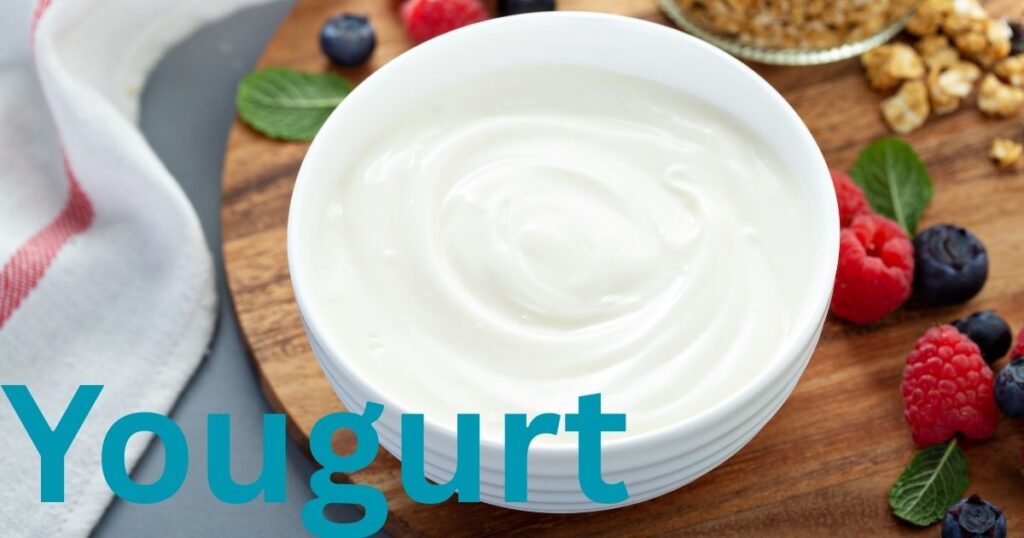
Greek yogurt transforms your morning routine. One cup contains 15-20 grams of protein. I add nuts, seeds, or berries for extra nutrients. The thick texture keeps me satisfied much longer than regular yogurt.
Lunch and Dinner: Building Protein-Rich Main Meals
Your main meals should anchor your daily protein goals. I aim for 25-30 grams of protein per meal. This approach prevents the need for constant snacking throughout the day.
Lean meats provide concentrated protein.
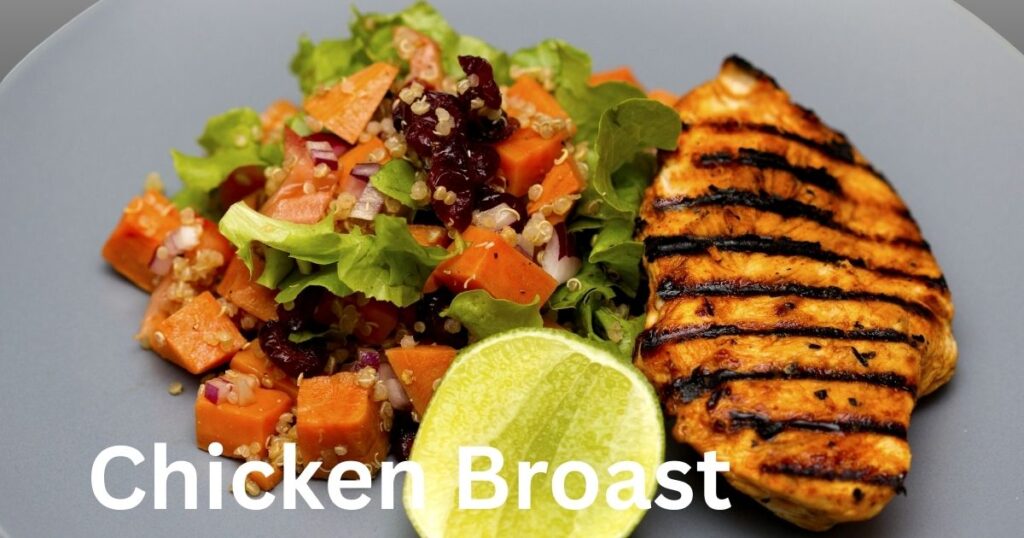
A 3-ounce serving of chicken breast contains 26 grams of protein. Turkey, lean beef and pork tenderloin offer similar amounts. Choose cooking methods like grilling, baking, or poaching to keep calories controlled.
Fish offers protein plus healthy fats.
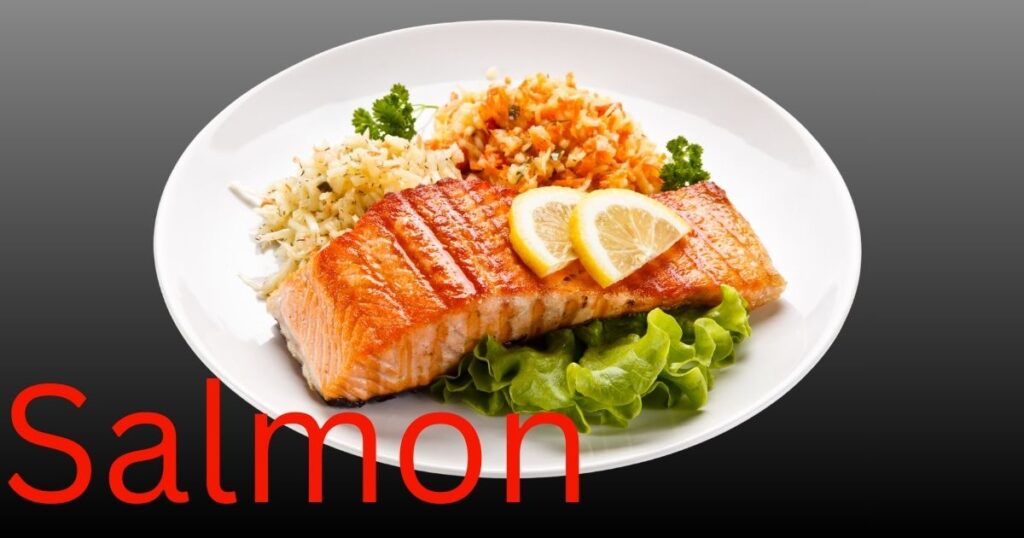
Salmon provides 22 grams of protein per 3-ounce serving. Tuna, cod and sardines also pack impressive protein amounts. Canned fish makes convenient additions to salads and sandwiches.
Plant-based proteins deserve equal attention.
There are lots of protein source around us. Plant is the main source of lentils. Per 10 ml cooked lentil provides 18 grams protein. Chickpeas, black beans and kidney beans provide similar amounts. These foods also deliver fiber and complex carbohydrates.
Smart Snacking: Protein Between Meals
Strategic snacking helps reach daily protein targets without overeating at meals. I keep protein-rich snacks ready for busy days. These mini-meals bridge gaps between larger eating occasions.
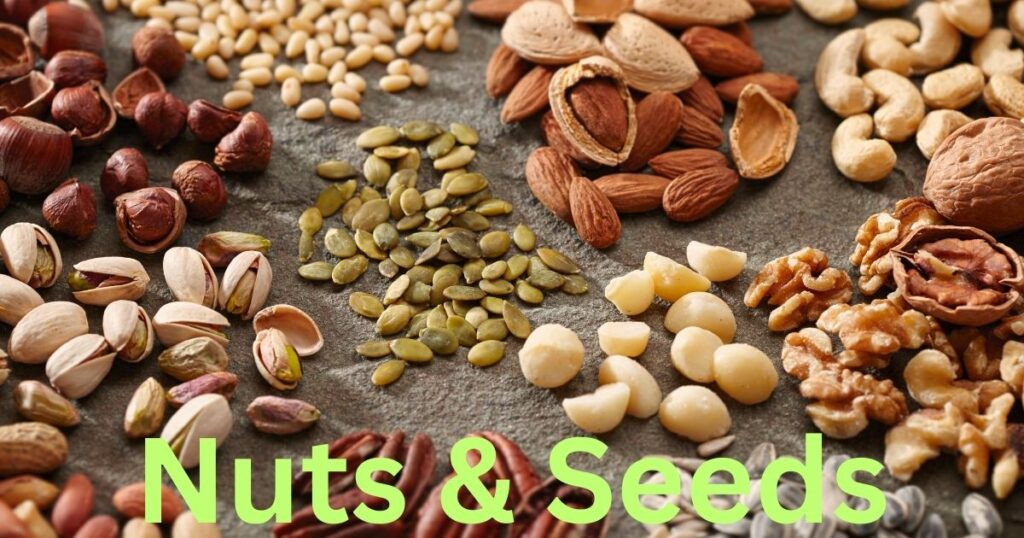
Nuts and seeds pack protein into small packages.
A quarter cup of almonds provides 6 grams of protein. Walnuts, cashews and pistachios offer similar amounts. Pumpkin and sunflower seeds are full of protein, and healthy fats are also available here. Both pumpkin and sunflower seeds increase protein and healthy fats.
Cheese makes an easy protein snack.
String cheese contains 6-8 grams of protein per piece. Cheddar is one kind of hard cheese which provides even more protein per ounce. Pair cheese with fruit for balanced nutrition.
Whole Grains: The Surprising Protein Source
Most people overlook grains when thinking about protein. This mistake limits their options unnecessarily. Several whole grains provide substantial protein amounts while delivering essential nutrients.
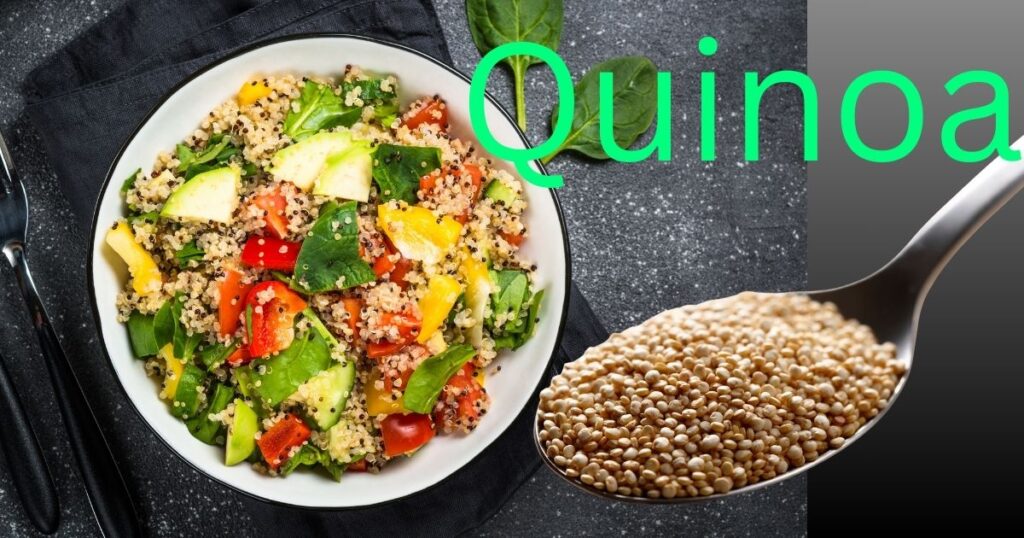
Quinoa stands out among grains.
One cup of cooked quinoa contains 8 grams of complete protein. This plant based grain provides us lots of amino acids, it is vital for our healthy body. Use quinoa in place of rice or pasta to increase protein.
Oats start your day with protein.
One cup of cooked oatmeal provides 5 grams of protein. Steel-cut oats contain slightly more protein than instant varieties. Top oats with nuts or Greek yogurt for additional protein. We can increase protein keeping it on our food pyramid.
Combining Plant Proteins for Complete Nutrition
Plant proteins are not full of all sorts of amino acids, often lack one or more essential amino acids. Combining different plant foods increase protein profiles. This strategy works especially well for vegetarian and vegan diets.
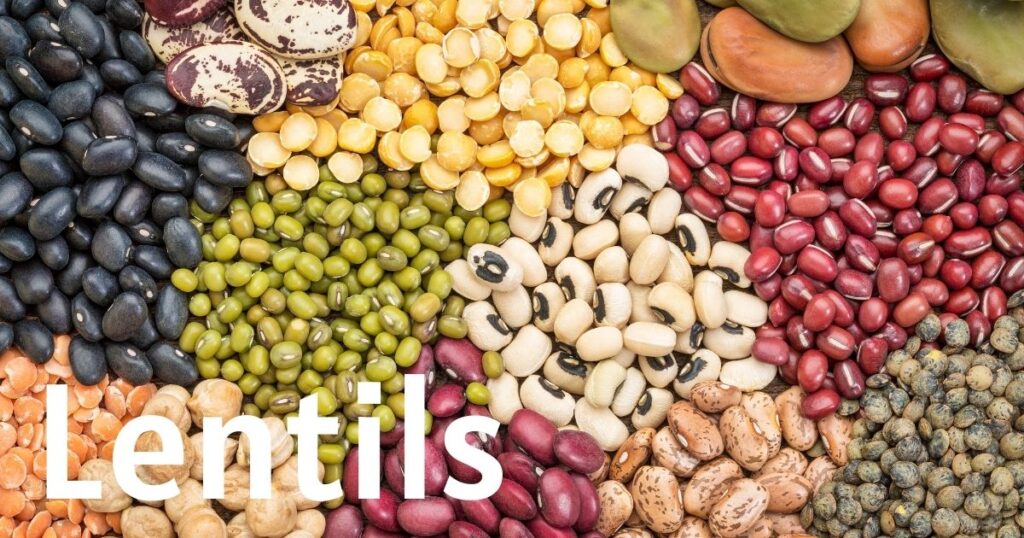
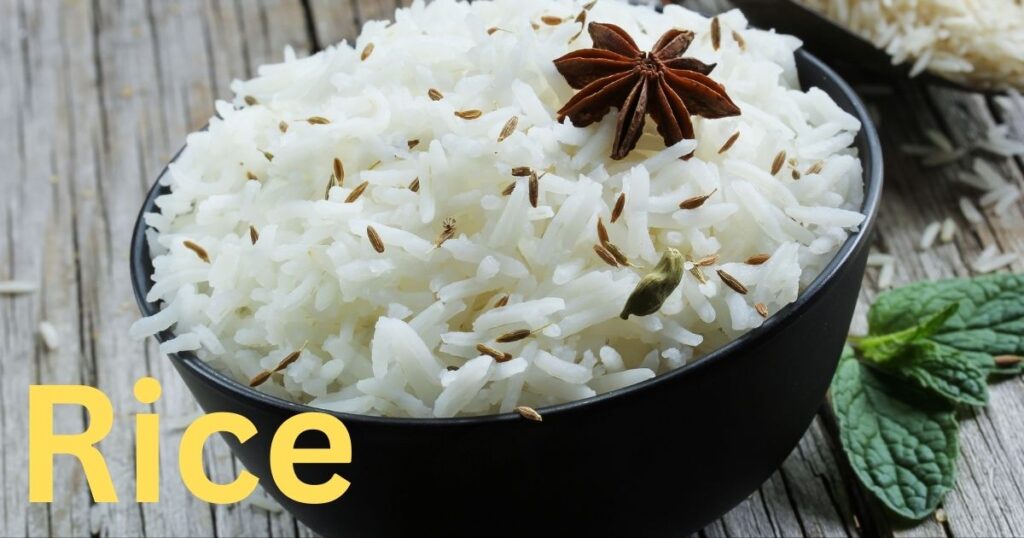
Rice and beans create a perfect match.
Rice contains lysine and bean includes methionine are the main element of rice and beans. But their combination provides us lots of amino acids. Together, they form complete protein comparable to animal sources.
Hummus and whole grain pita offer another winning combination.
Whole grain pita and hummus is an outstanding combination of amino acid. This Middle Eastern pairing delivers protein plus complex carbohydrates.
Meal Prep Strategies for Consistent Protein Intake
Planning ahead ensures you always have protein-rich options available. I spend Sunday afternoons preparing proteins for the entire week. This investment saves time and prevents poor food choices during busy weekdays.
Cook proteins in batches.
Several types of Grilled chicken breasts or baked large piece of salmon. Store portions in the refrigerator for quick meal assembly. Hard-boil a dozen eggs for grab-and-go protein sources.
Prepare legumes in advance.
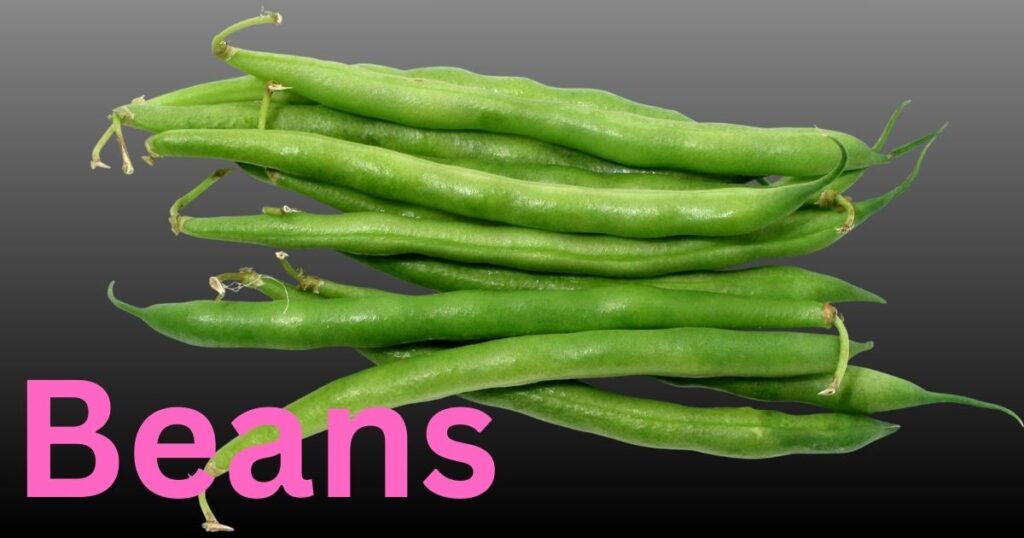
Cook several types of vegetables like lentils, chickpeas, or black beans. Store them in portion-sized containers. Add these prepared legumes to salads, soups, or grain bowls throughout the week.
Hidden Protein Sources You Might Miss
Some foods contain more protein than you might expect. These hidden sources help boost your daily intake without major diet changes. I discovered many of these by reading nutrition labels carefully. For more details, click here
Vegetables contain surprising amounts of protein.
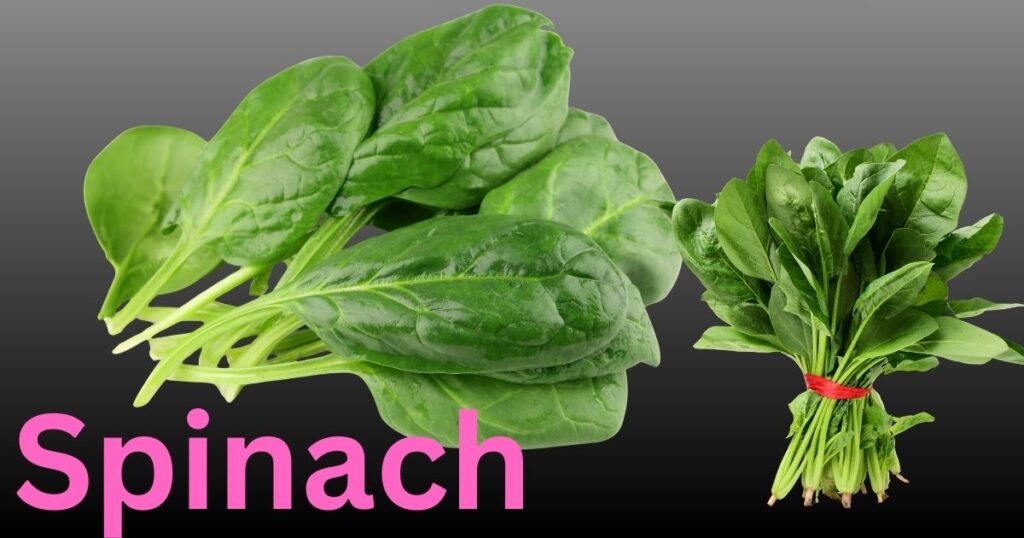
Spinach is another source of protein which provides 5 grams of protein from one cup cooked vegetables. Broccoli, Brussels sprouts, and asparagus also contribute protein to your daily totals. Spinach is full of protein vitamins and minerals.
Nutritional yeast adds protein and flavor.
Two tablespoons provide 8 grams of complete protein. Nutty is the main element of nutritional yeast, it contains lots of protein and flavor is just like cheese. To get extra protein and B vitamins we should scattering it on popcorn, pasta, or salads.
Protein Quality vs. Quantity: What Really Matters
Not all proteins are created equal. Our body cannot produce all sorts of amino acids but full protein includes nine essential amino acids. Animal proteins typically provide complete amino acid profiles while plant proteins may need combining.
Focus on protein quality first.
Choose whole food sources over processed options whenever possible. Fresh chicken breast beats deli meat. Plain Greek yogurt trumps protein bars with artificial ingredients.
Timing matters for muscle building.
Instead of eating a lot of protein at one meal, spread it out throughout the day. Your body can only use about 20-30 grams of protein at once for muscle synthesis.
Common Mistakes That Sabotage Protein Goals
Throughout my protein adventure, I made a lot of mistakes. Learning from these errors helped me develop better strategies. Avoiding these pitfalls will accelerate your progress toward protein goals.
Skipping breakfast limits daily protein potential.
Many people start their day with carbs and wonder why they struggle with protein targets. Beginning with protein sets you up for success throughout the day.
Relying too heavily on one protein source creates nutritional gaps.
Variety ensures you get different amino acid profiles and nutrients. Mix animal and plant proteins throughout your week for optimal nutrition.
Sample Daily Meal Plan for High Protein Intake
Here’s how I structure a typical day to reach 100+ grams of protein without supplements:
Breakfast (25g protein): Three-egg omelet with cheese and spinach, plus one slice of whole grain toast Mid-morning snack (8g protein): Greek yogurt with berries Lunch (30g protein): Chicken and quinoa salad with mixed vegetables Afternoon snack (6g protein): Handful of almonds Dinner (35g protein): Baked salmon with lentils and roasted vegetables Evening snack (10g protein): Cottage cheese with a small apple This plan delivers 114 grams of protein from whole food sources Adjust portion sizes according to your personal needs and level of expertise.
Protein Needs for Different Lifestyles
Your protein requirements depend on several factors including age, activity level, and health goals. Active individuals need more protein than sedentary people. Older adults also require higher protein intakes to maintain muscle mass.
Athletes and active individuals should aim for 1.2-2.0 grams per kilogram of body weight.
This translates to about 0.5-0.9 grams per pound. Strength training increases protein needs more than endurance activities.
Sedentary adults need about 0.8 grams per kilogram of body weight.
This equals roughly 0.36 grams per pound. Even at this basic level, many people struggle to meet protein targets without planning.
Making Sustainable Changes
The key to increase protein intake lies in making gradual, sustainable changes. I started by adding one protein source to each meal. This simple approach prevented overwhelm while building better habits.
Start small and build momentum.
Add Greek yogurt to your breakfast routine. Include beans in your lunch salad. Choose protein-rich snacks over processed options. These small changes compound over time.
Listen to your body’s signals.
Increased protein intake should make you feel more satisfied and energetic. Reduce the rate of change if you have digestive problems. Your gut needs time to adapt to dietary modifications.
Budget-Friendly Protein Sources
High-quality protein doesn’t have to break your budget. Some of the most affordable protein sources also happen to be the most nutritious. I learned to shop smart and maximize my protein budget. It is vital to increae protein within our stipulated budget.
Eggs provide the best protein value.
You can obtain 6 grams of complete protein for about 25 cents per egg. No other protein source offers better cost per gram ratios.
Dried legumes cost pennies per serving.
A bag of dried lentils provides dozens of servings for under five dollars. Due to large volume of dried legumes, you need to soak and boil them separately in batches to save time and money.
Tracking Your Progress
Monitor your protein intake for the first few weeks to ensure you meet your targets. I kept a basic diet weekly notebook to record my improvement. This awareness helped me identify gaps and adjust my eating patterns.
Use a smartphone app for easy tracking.
Many free apps calculate protein content automatically. Log your foods for one week to understand your current intake patterns.
Focus on trends rather than perfection.
Some days you’ll exceed your protein goals while others fall short. Consistency over time matters more than hitting exact targets daily.
Frequently Asked Questions
Q: How much protein do I need daily without supplements?
A: Most adults need 0.8-1.2 grams of protein per kilogram of body weight. For a 150-pound person, this equals 55-80 grams daily. Active individuals may need up to 2.0 grams per kilogram.
Q: Can I get enough protein on a vegetarian diet?
A: Yes, vegetarian diets can easily meet protein needs through eggs, dairy, legumes, nuts, seeds, and whole grains. Focus on variety to ensure complete amino acid profiles throughout the day.
Q: What are the best protein sources for weight loss?
A: Lean proteins like chicken breast, fish, Greek yogurt, and legumes provide high protein with fewer calories. These foods increase satiety and help preserve muscle mass during weight loss.
Q: Is it better to eat protein throughout the day or in large amounts?
A: Spreading protein throughout the day optimizes muscle protein synthesis. Aim for 20-30 grams of protein at each meal rather than consuming large amounts at once.


