

A good diet is the prerequisite to lose weight fast. Weight loss refers to a reduction of body weight with the combination of decreasing fat mass or increasing muscle mass. This is a process of increase and decrease. Weight loss can be achieved by creating a calorie deficit, it occurs when the body expends more calories than it consumes. Key elements of weight loss include a balanced diet rich in nutrients and regular physical exercise to burn calories. Moreover, enhancement of metabolism and behavioral changes to support consistent, healthy habits are also part of weight loss. Effective weight loss is gradual requiring patience and a sustainable approach for long-term success. There are several key components to effective weight loss which are as follows:
Caloric Balance: Weight loss fundamentally comes down to calories in versus calories out. It is essential to remember that, one must consume fewer calories than they burn. Physical Activity: Exercise is crucial for burning calories, building muscle, and maintaining overall health. It also boosts metabolism and can help prevent weight regain. Behavioral Changes: Successful weight loss often requires changes in behavior and mindset. It also includes setting realistic goals, managing stress, and maintaining motivation. Consistency and Patience: Weight loss is not possible in a day, it is a gradual process. Consistent, small changes over time often yield the best results.
Definition of a good diet to lose weight fast:
A good diet can be defined as a way of eating that promotes overall health, well-being, and longevity. Our body needs nutrient-rich foods for energy, growth, and maintenance. A good diet is closely related to consuming a variety of nutrient-rich foods in appropriate proportions to meet our body’s requirements.
Processed foods such as fruits, vegetables, whole grains, lean proteins, and healthy fats, are also included in this type of food to lose weight fast etc.
It emphasizes balance, moderation, and variety, allowing individuals to enjoy a diverse range of foods. It maintains a healthy weight and reduces the risk of chronic diseases such as obesity, heart disease, diabetes, and certain cancers. A good diet is also sustainable, practical, and enjoyable. It is easier for individuals to adopt and maintain healthy eating habits for the long term.
Additionally, it considers individual dietary preferences, cultural traditions, and lifestyle factors. At the same time, it provides flexibility and customization to suit individual needs and preferences. A good diet supports overall health and well-being, nourishing the body and mind for optimal functioning and vitality. Incorporate leafy greens like kale or spinach into omelets for added nutrients.
Importance of A Good Diet to Lose Weight Fast:
1. Nutrient Density: A good diet focuses on foods that are high in nutrients but low in calories. These include fruits, vegetables, lean proteins, and whole grains. These foods are composed of essential vitamins, minerals, and other nutrients that the body needs to perform functions properly.
2. Satisfaction and Hunger Control: Foods rich in fiber and protein can help you feel fuller for longer, reducing overall calorie intake. This can help control hunger and prevent overeating.
3. Metabolic Health: A balanced diet helps regulate blood sugar levels, reduce cholesterol, and maintain a healthy weight, which can prevent chronic diseases such as diabetes, heart disease, and hypertension.
4. Energy Levels: Proper nutrition ensures that the body has the energy it needs for daily activities and exercise, which is critical for a successful weight loss journey.
5. Mental Well-being: Diets rich in nutrients can improve mood and cognitive function. Processed food and sugar may decrease our mental clarity.
Practical Tips for a Good Diet to Lose Weight Fast
Combination of a Variety of Foods: Aim for a colorful plate to ensure a wide range of nutrients.
Control Portions: Be mindful of portion sizes to avoid overeating, even with healthy foods.
Reduce Processed Foods: Always try to avoid processed food. Limit foods high in added sugars, unhealthy fats, and salt.
Stay Hydrated: Water is very important for our body. We must drink plenty of water throughout the day to support overall health and aid digestion.
Plan and Prepare: Planning meals and snacks ahead of time can help you make healthier choices and avoid the temptation of convenience foods.
Principles of a Good Diet for Rapid Weight Loss
- Calorie Deficit: To lose weight swiftly and efficiently, it is important to understand the principles of weight loss and a healthy environment. Among these, the concept of a caloric deficit stands as a cornerstone. The fundamentals of this principle and some tips for incorporating it into your diet are as follows.
- The Key to Rapid Weight Loss: A caloric deficit occurs when you consume fewer calories than your body expends for some time. Simply speaking, it’s the imbalance between your calories and those you burn through functions and physical activities. This shortfall prompts your body to tap into its stored energy reserves, primarily in the form of fat, leading to weight loss.
Explanation of Caloric Deficit and Its Role in Weight Loss
Your body’s energy demands exceed its intake while maintaining a caloric deficit. As a result, it converts to alternative fuel sources to fulfill its demands, starting with glycogen stored in muscles and the liver. When these glycogen stores are exhausted, your body turns to burning fat for fuel, at this time it is noticed weight loss is occurring.
The principles related to caloric deficit we need to understand the importance of portion control and mindful eating. We create an environment helpful for weight loss, by consuming fewer calories than our body requires to operate its functions and activities. A moderate caloric deficit is helpful to steady weight loss, a strict restriction can be ineffective and even harmful to your health.
Tips for calculating and Maintaining Caloric Deficit:
Determine Your Basal Metabolic Rate (BMR):
BMR represents the amount of calories your body needs to sustain basic physiological functions at rest. Several types of online calculators help you estimate your BMR based on factors such as age, gender, weight, and height.
Establish a Target Daily Calorie Intake:
With the help of BMR, you can calculate your activity level to determine your Total Daily Energy Expenditure (TDEE). BMR result expresses the total number of calories you burn in a day. Aim to consume 500 to 1000 calories less than your TDEE each day. This result will help you to get a safe and sustainable weight loss rate of 1 to 2 pounds per week.
Track Your Food Intake:
Maintain a daily routine of everything you eat and drink, including portion sizes and calorie counts. This is a good practice and it will create awareness of your dietary habits. At the same time will help you to identify areas where adjustments are needed to achieve your weight loss goals.
Choose Nutrient-Dense Foods:
While the quantity of calories matters for weight loss, so does the quality. These foods not only provide essential nutrients but also contribute to feelings of fullness and satisfaction. Moreover, it is easier to adhere to your caloric deficit.
Incorporate Physical Activity:
Diet plays a vital role in weight loss, incorporating regular exercise can increase calorie burning and promote overall health. Goal for a combination of cardiovascular exercise, strength training, and flexibility exercises to maximize results and maintain muscle mass while losing fat.
- Nutrient Density:
- When your core goal is weight loss, you should select a diet that promotes both quick weight loss and supports overall health and well-being. The principles of a good diet for rapid weight loss should revolve around nutrient density. This diet emphasizes the importance of nutrient-rich foods.
- Satisfaction:
- Nutrient-dense foods tend to be more filling, helping to curb hunger and prevent overeating.
- Metabolic Support: Essential nutrients support metabolic processes, ensuring efficient energy utilization and fat metabolism.
- Health Benefits:
- Nutrient-rich foods provide a wide range of health benefits, including improved cardiovascular health, developed immune function, and reduced inflammation. These foods are essential for overall well-being during weight loss.
- Examples of Nutrient-Dense Foods:
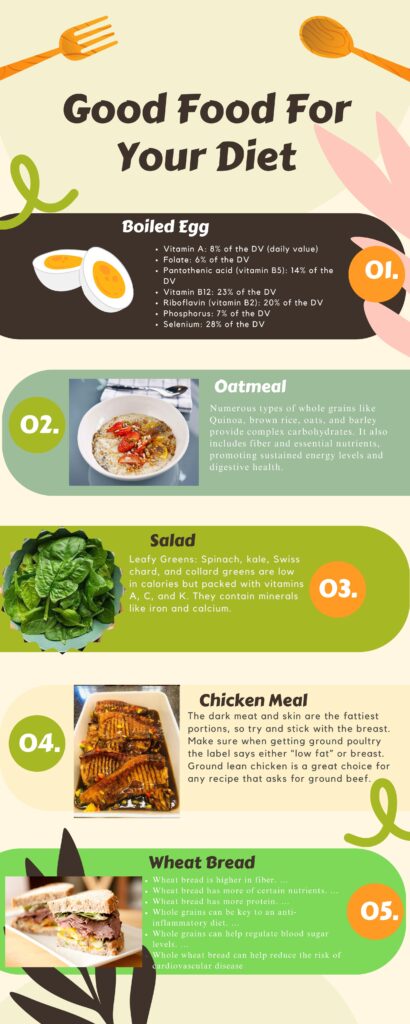
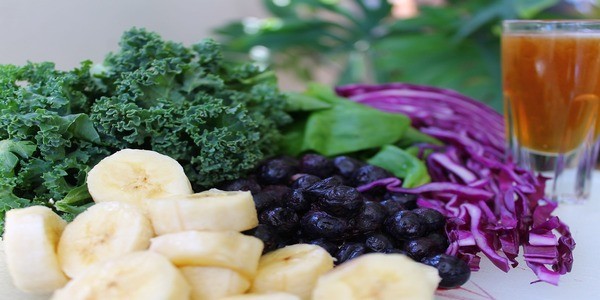
- Leafy Greens: Spinach, kale, Swiss chard, and collard greens are low in calories but packed with vitamins A, C, and K. They contain minerals like iron and calcium.
- Cruciferous Vegetables: Broccoli, cauliflower, Brussels sprouts, and cabbage are rich in fiber, vitamins, and antioxidants, promoting satiety and supporting digestion.
- Lean Proteins: Chicken breast, turkey, fish, tofu, and legumes are excellent sources of protein. These foods are crucial for muscle maintenance and satiety during weight loss.
- Berries: Blueberries, strawberries, raspberries, and blackberries are loaded with antioxidants and fiber, aiding in appetite control and promoting overall health.
- Whole Grains: Numerous types of whole grains like Quinoa, brown rice, oats, and barley provide complex carbohydrates. It also includes fiber and essential nutrients, promoting sustained energy levels and digestive health.
- Healthy Fats: Avocados, nuts, seeds, and olive oil are rich in monounsaturated fats, which can promote satiety and support heart health when consumed in moderation.
- Dairy or Dairy Alternatives: Greek yogurt, cottage cheese, and fortified plant-based milk are rich in protein and calcium. This type of food supports muscle maintenance and bone health during weight loss.
Key Components of a Good Diet to Lose Weight Fast
High-Protein Intake
The most important component of a diet designed to simplify rapid weight loss is high-protein intake. Protein plays a vital role in maintaining muscle mass during the weight loss process. Consuming adequate amounts of protein can easily increase the effectiveness of a weight loss diet.
Role of Protein in Weight Loss and Muscle Preservation
Weight Loss:
Protein is essential for several reasons when aiming to lose weight quickly. First, it has a high effect, meaning that the body burns more calories digesting protein compared to fats and carbohydrates. This can boost your metabolism slightly. Second, high-protein diets are known to reduce hunger. Protein has a great influence on the levels of several hormones that play a role in hunger and fullness. By increasing protein intake, individuals can feel more satisfaction, which can help reduce overall calorie intake.
Muscle Preservation:
One of the common challenges during rapid weight loss is the loss of muscle mass. When you lose weight, you generally lose both fat and muscle. However, a diet high in protein can help preserve muscle mass while you lose fat. Protein contains lots of amino acids needed for muscle repair and growth. Maintaining muscle mass ensures that most of the weight loss is fat, which is critical for a leaner and more toned physique. Additionally, maintaining muscle mass helps keep your metabolic rate higher, as muscle tissue burns more calories at rest than fat tissue.
Recommended Protein Sources
A combination of high-quality protein sources in your diet is key to maximizing the benefits of protein for weight loss and muscle preservation. Here are some excellent protein sources to consider:
Lean Meats:
Chicken breast, turkey, and lean cuts of beef and pork are rich in protein and low in unhealthy fats. These meats provide essential amino acids and are highly effective in supporting muscle maintenance.
Legumes:
Beans, lentils, and chickpeas contain both protein and fiber, which can aid digestion and provide a long-term feeling of fullness. Legumes are also a great protein source for vegetarians and vegans.
Key Components of a Good Diet to Lose Weight Fast
The most important component of a diet designed to simplify rapid weight loss is high-protein intake. Consuming adequate amounts of protein you can easily increase the effectiveness of a weight loss diet.
Role of Protein in Weight Loss and Muscle Preservation
Weight Loss: Protein is essential for several reasons when aiming to lose weight quickly. First, it has a high effect, meaning that the body burns more calories digesting protein compared to fats and carbohydrates. This can boost your metabolism slightly. Second, high-protein diets are known to reduce hunger. Protein has a great influence on the levels of several hormones that play a role in hunger and fullness. By increasing protein intake, individuals can feel more satisfaction, which can help reduce overall calorie intake.
Muscle Preservation:
One of the common challenges during rapid weight loss is the loss of muscle mass. When you lose weight, you generally lose both fat and muscle. However, a diet high in protein can help preserve muscle mass while you lose fat. Protein contains lots of amino acids needed for muscle repair and growth. Muscle mass ensures that fat is the main reason for weight loss, which is critical for a leaner and more toned physique. Additionally, maintaining muscle mass helps keep your metabolic rate higher, as muscle tissue burns more calories at rest than fat tissue.
Recommended Protein Sources: A good diet to lose weight fast
A combination of high-quality protein sources in your diet is key to maximizing the benefits of protein for weight loss and muscle preservation. Here are some excellent protein sources to consider:
Lean Meats:
Chicken breast, turkey, and lean cuts of beef and pork are rich in protein and low in unhealthy fats. These meats provide essential amino acids and are highly effective in supporting muscle maintenance.
Legumes:
Beans, lentils, and chickpeas are not only high in protein but also rich in fiber, which can aid digestion and provide a long-term feeling of fullness. Legumes are also a great protein source for vegetarians and vegans.
Dairy:
Lots of dairy products are available around us. For example, Greek yogurt, cottage cheese, and low-fat milk are excellent sources of dairy products. Greek yogurt, in particular, is known for its high protein content and versatility in meals and snacks.
Fish and Seafood:
Fish such as salmon, tuna, and mackerel are rich in protein and omega-3 fatty acids, which can support overall health. Seafood is generally low in fat and can be a great addition to a weight-loss diet.
Eggs:
Eggs are one of the most nutrient-dense foods available. They are high in protein, vitamins, and minerals. Consuming whole eggs, including the yolk, can provide complete nutrition.
Nuts and Seeds:
Almonds, walnuts, chia seeds, and flaxseeds offer a good amount of protein along with healthy fats and fiber. They can be a great snack or a supplement to meals to boost protein intake.
Plant Based Alternative:
For those who prefer plant-based diets, tofu, tempeh, and edamame are excellent sources of protein. These options are available near us and can be incorporated into a variety of dishes.
Low-Carbohydrate Choices
A critical component of a diet aimed at rapid weight loss is the inclusion of low-carbohydrate choices. Reducing carbohydrate intake can lead to significant and swift weight loss by altering the body’s metabolism and promoting fat burning. Understanding the benefits of a low-carb diet and incorporating appropriate low-carb foods and meals can make a substantial difference in achieving weight loss goals.

Benefits of Reducing Carbohydrate Intake
A good diet to lose Weight Loss Fast:
One of the primary benefits of reducing carbohydrate intake is the rapid weight loss. When carbohydrate decreases gradually, the body enters a state called ketosis. Ketosis burns fat for fuel instead of carbohydrates. This process can lead to a quick reduction in body weight, particularly from fat stores.
Improved Blood Sugar and Insulin Levels:
Low-carb diets can help stabilize blood sugar levels and reduce insulin spikes. These two ingredients are beneficial for individuals with insulin resistance or type 2 diabetes. Lower insulin levels can help fat burning and prevent the storage of excess fat.
Reduced Appetite and Cravings:
Carbohydrates, especially refined ones, can cause fluctuations in blood sugar levels that often lead to increased hunger and cravings. By reducing carbohydrate intake, many people experience a more consistent level of energy and a reduction in hunger, making it easier to stick to a calorie deficit necessary for weight loss.
Increased Metabolic Health:
Low-carb diets have been shown to improve several markers of metabolic health, including triglyceride levels, HDL cholesterol, and blood pressure. These improvements can contribute to overall better health and facilitate weight loss.
Examples of Low-Carb Foods and Meals
Vegetables: Spinach, kale, broccoli, cauliflower, zucchini, and bell peppers are non-starchy vegetables low in carbohydrates and high in fiber, vitamins, and minerals.
Proteins: Lean meats include chicken, turkey, beef, pork, and seafood like salmon, tuna, and shrimp and provide essential amino acids for muscle maintenance.
Dairy: Cheese, Greek yogurt, and cottage cheese are low in carbs and rich in protein and calcium.
Nuts and Seeds: Almonds, walnuts, chia seeds, and flaxseeds offer healthy fats and proteins with minimal carbs.
Healthy Fats: Avocado, olive oil, and coconut oil are excellent sources of healthy fats that are low in carbs.
Low-Carb Meal Ideas:
Breakfast
An omelet made with spinach, bell peppers and cheese, or Greek yogurt topped with a handful of berries and chia seeds.
Lunch:
Grilled chicken salad with mixed greens, cucumber, avocado and olive oil dressing, or a lettuce wrap with turkey, cheese, avocado, and mustard.
Dinner:
Baked salmon with a side of roasted cauliflower and a mixed vegetable stir-fry, or a zucchini noodle pasta with ground beef and marinara sauce.
Snacks:
Celery sticks with almond butter, cheese slices with a few nuts or a small bowl of mixed berries.

Conclusion
A good diet to lose weight fast is the combination of nutrition, portion control, and sustainability. Vegetables, fruits, lean proteins, and whole grains ensure essential nutrient intake while reducing calorie density. Controlling processed foods, sugary drinks, and high-fat snacks helps reduce excess calories. Moreover, staying hydrated, eating regular meals, and practicing mindful eating can prevent overeating. Combining dietary changes with regular physical activity enhances weight loss efforts and supports overall health. Remember, rapid weight loss can be challenging and should be approached with care, ideally under professional guidance.


