
High-protein diet menu for weight loss is composed of maximum saturated fat and minimum carbohydrates. Protein consists of a vital nutrient and large molecules of several amino acids that play important roles in the human body. There are twenty different types of amino acids, out of which nine have been considered crucial because our body can not generate them. We get it from numerous foods and drinks. On the other hand, a high-protein diet is a diet that is full of at least 20% of the total daily calories that come from protein.

Foods of High-Protein Diet for Weight loss
A high protein diet includes lean beef, chicken, pork, salmon, eggs, soya and tuna fish. Protein diets are properly utilized for muscle building as well as fat loss. The most common high-protein diets are the Atkins diet and protein powder, but these two types of food have a few criticisms.
A dietary plan is prepared based on age, sex, activity, height, weight, and health status. This schedule provides approximately 8700kj per day and 90 to 100g of high protein a day. It is based on average energy and nutrient requirements, maintaining weight in 18-65-year-old adults.
A balanced diet is composed of a variety of wholegrain foods, different types of fruit, vegetables, fats and fiber, naturally protein-enriched food, etc. These types of food give us lots of energy, make us strong and keep us going longer.
Dietary plan for a person in a week:
| Days | Breakfast (8-8.30 AM) | Tea Break (11.0 -11.3 AM) | Lunch (2.0-2.3 PM) | Evening Tea (4.0-4.3 PM) | Dinner (8.0-8.30 PM) |
| One | 2 Slices whole grain toast + 1 Cup Milk +2Scrambled Eggs | Plain yogurt + Berries + Chia seeds | Whole grain bread + Lentil Soup + Green Salad | 1 Cup plain tea + 1or 2 Sugar free biscuit | Fried brown rice+ Chickpeas + Vegetables stir |
| Two | Overnight oats + almond butter + sliced almonds | A handful of nuts (30g ) + 20g hard cheese | Half skinless chicken breast + 1 Cups salad vegetables + 1 Wholemeal fat bread + 1/2 Avocado + 2 Tsp mayonnaise | 1 cup tea + Homemade protein bar | Handmade protein bar + 2 tbs yogurt + 1 Cup plain tea |
| Three | 1 Toasted wheatmeal + Medium size banana + Almond milk | 1tbsp peanut butter + 1 Medium size apple + 1 Cup plain tea | 2 Slices of bread + 150gm Tuna Fish + 2 Slice cheese + 2 Cups vegetables salad | 1tbs Yoghurt+ Mixes seeds | 100gm Lean beaf + 100gm rice + Vegetables + 2tbs seasame oil. |
| Four | 100gm Beef + Cheese + Salad + 2 Slice Bread + 2tbs honey | Handful nut + 1 Glass of milk | 100gm Rice + Vegetables + ½ Chicken breast + Fruit | 1 Cup plain tea + 100gm Nuts + 2 Sugar free biscuit | 1 Cup cooked spaghetti + 1tbs oil + 2tbs cheese |
| Five | Blueberry + Oats + Fruit + Honey | Veggie omelet + Wholegrain toast + 1 Cup milk + 1 Fruit | Whole grain bread + ½ chicken breast + 1 Cup lentil + 1 Cup Salad | 1 handful nuts + 1 Glass protein shake | 1 Cup plain rice + Vegetables + 100 gms salmon fish + 2tbs honey |
| Six | Chia pudding + 2Cups cereal + 1Cup tea + 2bs honey | 50gm cheese + 30gm handful nuts + 1 Glass milk | 200gms lean beef + 100 gm rice + Vegetables + Fruit | 200gms lean beef + 100 gm rice + Vegetables + Fruit | ½ Chicken broast + 2 Slice Bread + Vegetables + 2tbs cheese |
| Seven | 2Cup cornflake + 1Cup tea + 1 Fruit | 2 Piece biscuit + Handmade protein shake + 1 tube yoghurt | 2 Cup plain rice + 200gm Tuna fish + 2tbs oil +Vegetables | Homemade protein bar + 1 Glass milk + 30gm handful nut | Handful of nuts + 1 Glass of milk |
The Importance of High Protein Diet Menu for Weight Loss
Protein plays a vital role in our everyday life and maintaining our body. It is essential for the growth and development of our muscles, the repair of tissues, etc. It helps to create enzymes and hormones which are essential for the chemical reaction in our body. At the same time, hormone regulates different physiological processes. Moreover, it contributes in different ways also as increasing our antibodies, support greatly the immune system and protecting us against infection and illness.
Dietary Sources of High-Protein Diet Menu for Weight Loss
Protein is divided into two groups: 1) Animal Protein and 2) Plant Protein. Animal protein contains essential amino acids, these proteins are meat, eggs, cheese, etc. On the other hand, most of the plant protein foods do not contain amino acids, these foods are lentils, numerous pulses, legumes, tofu and several types of soya products. As a result, they are considered as incomplete proteins.
How Much Protein Do We Need?
The recommended daily consumption of protein varies depending on factors such as age, sex, weight, activity level, and overall health status. Generally, the Dietary Guidelines for Americans recommend that adults consume 0.8 grams of protein per kilogram of body weight per day. However, athletes, pregnant or breastfeeding women, and individuals recovering from illness or injury may require higher protein intakes to support their increased energy needs and facilitate tissue repair and recovery.
Protein and Weight Management
Protein plays a crucial role in weight management. Hence, protein-rich foods in your diet can help promote feelings of fullness and prevent overeating, which makes it easier to maintain a healthy weight. Moreover, the requirement of protein and energy is more important to digest compared to fats and carbohydrates. As a result, it may slightly increase calorie expenditure, known as the thermic effect of food.

What happens if you eat too much high protein Diet Menu for Weight Loss per day?
Protein is essential for our body but consuming too much protein can have both short-term and long-term effects on health. There are a few factors such as individual health status, activity level, and overall dietary balance need to be considered before taking protein. What will happen if we consume more protein is mentioned below.
Kidney Strain:
Kidneys are the most important components of our body. They play a crucial role in filtering waste products from the bloodstream. They filter the byproducts of protein metabolism, such as urea and ammonia from our body. Consuming large amounts of protein can put a strain on the kidneys. This tendency leads us to an increased risk of kidney damage or kidney stones. A strain on the kidneys can be caused by consuming large amounts of protein. As a result, there is a chance of kidney damage. Particularly individuals are closely associated with pre-existing kidney conditions.
Dehydration:
Metabolizing protein requires water and dehydration occurs if we consume more protein and less hydration. This is because the body may require additional water to help flush out the byproducts of protein metabolism, such as urea, through urine.
Nutrient Imbalances:
Compared to animal foods, plant-based foods are cheaper. So, we need to pay attention heavily on protein-rich foods at the expense of other nutrient-rich foods can lead to imbalances in the diet. Both cholesterol and saturated fat increase the risk of heart disease, so we need to avoid excess animal-based protein food. Moreover, our body needs essential vitamins, minerals, and dietary fiber. But we should not avoid fruits, vegetables and whole grains because it may lead to deficiencies in nutrition.
Digestive Issues:
Vegans also face a great problem related to digestion. Consumption of excess protein can also cause digestive discomfort, for example, bloating, gas, and constipation. If dietary fiber intake is insufficient to support digestion and regular bowel movements.
Weight Gain:
While protein is important for maintaining muscle mass and promoting satiety, consuming excess calories from protein sources can contribute to weight gain, especially if not balanced with physical activity and overall energy expenditure.
Chronic Diseases:
Heart disease, cancer, and osteoporosis are chronic diseases that occur due to consumption of excess protein. A few researchers state that high-protein diets, particularly those rich in animal-based protein sources, may be associated with these chronic diseases. However, more research is needed to fully understand the long-term health implications of high-protein diets.Top of FormBottom of Form
How do Vegan people fulfill their B12 (Animal protein) deficiency?
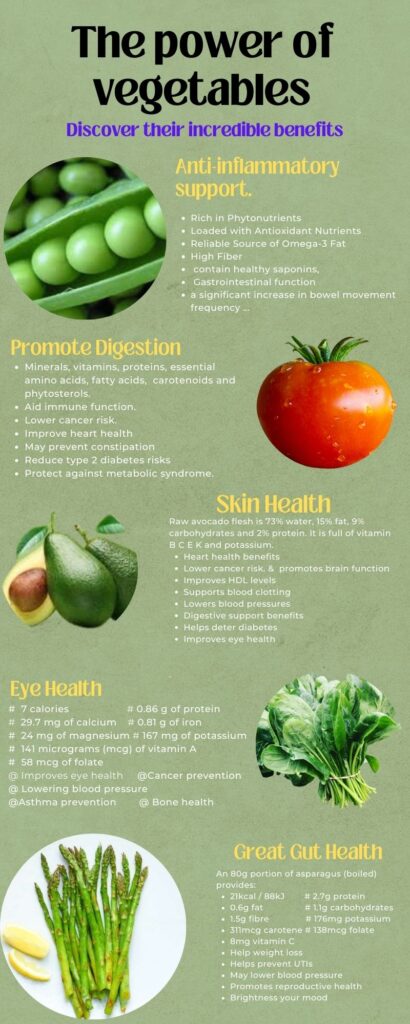
People get vitamin D from sunlight, but our body can not generate vitamin B12 by itself. We may get this vitamin only by eating several types of animal protein foods like meat, fish, eggs and dairy products. However, several types of diseases like heart disease, anemia, nerve damage, etc occur due to lack of sufficient animal protein foods. Nowadays, veganism is gaining popularity around the world and vegans get lots of B12 from vegetables. It promotes a plant-based lifestyle and motivates them to keep themselves away from animal protein products including meat, dairy and eggs. They can have fortified foods like plant milk, cereals, or supplements to fulfill their B12 vitamin deficiency. Analysing several types of research people come to know that a plant-based diet (fruits, vegetables, whole grains) reduces a lower risk of heart disease and death.
Iron Problem
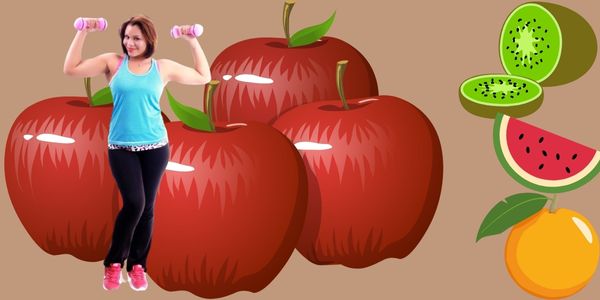
Vegans face a great iron problem. There are lots of vegetables that are full of iron like red kidney beans (5.2mg per cup cooked, 65% RDA), spinach, lentils (6.6 mg per cup cooked 82% of RDA), white beans (6.6 mg per cup cooked 82% RDA), Soybeans (9.9 mg per cup raw 123% RDA), chickpeas, green peas. Moreover, apples are very familiar with their iron content and vitamin C content. They are essential for preventing and reversing anemia. In addition to apples, avocados, blackberries, strawberries, watermelon, raisins, dates, dried apricots and peaches are also full of iron. Iron is one kind of mineral, our body needs to produce hemoglobin, protein in red blood cells which provides oxygen all over the body.
Calcium Problem
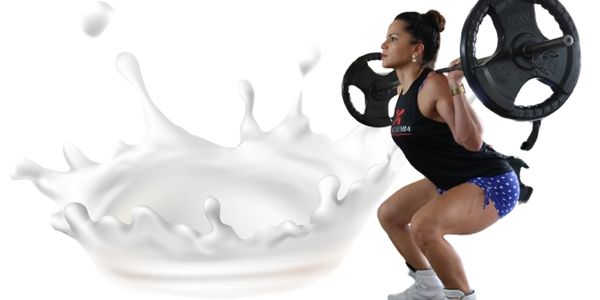
Vegans face numerous problems and calcium deficiency is one of them. Dairy products are the main source of calcium for them because almost every product is from milk. Vegans can not eat animal products like milk, yogurt, butter, etc. So, they are at great risk of calcium. Plant-based food may be the best alternative option to fulfill the calcium deficiency. Leafy greens, beans, almonds, seeds, fortified foods are available in the plant-based food. Plant milk and tofu are available around us. So, they can easily solve the calcium problem from natural products.
Protein Problem
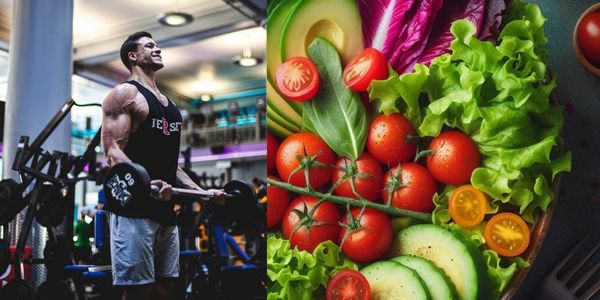
Protein products like meat, fish, eggs and dairy are available in animal products but the vegans keep themselves away from those types of products. These foods are macronutrients and all animal products contain lots of amino acids. Since vegans can not eat animal products so, they have to depend on plant-based proteins that are available in nature. These vegetables and fruits are legumes, nuts, seeds and whole grains, which are enriched with different amino acids. As a result, vegans can easily fulfill their protein deficiency with the help of plant-based protein vegetables.
Conclusion
In conclusion, protein is an essential nutrient that plays a myriad of vital roles in the human body. From supporting tissue growth and repair to facilitating chemical reactions and maintaining a healthy immune system, protein is truly indispensable for optimal health and well-being. By including a variety of protein-rich foods in your diet and meeting your individual protein needs, you can ensure that your body has the necessary building blocks to thrive.
Frequently Asked Questions:
Q1: Why is B12 important?
- A: Vitamin B12 is crucial for maintaining healthy nerve cells, supporting cognitive function, and producing DNA and red blood cells.
Q2: What are the symptoms of B12 deficiency?
- A: Symptoms include fatigue, weakness, constipation, loss of appetite, weight loss, poor memory, and neurological changes such as numbness and tingling in the hands and feet.
Q3: Can I get B12 from plant sources?
- A: Natural plant sources of B12 are unreliable. Some algae like chlorella and nori contain small amounts, but they are not considered reliable sources. Fortified foods and supplements are the best options.
Q4: How much B12 do I need?
- A: The recommended daily intake for adults is about 2.4 micrograms. Pregnant and breastfeeding women need slightly more.
Q5: Are fortified foods sufficient to meet my B12 needs?
- A: They can be if consumed regularly and in adequate amounts. However, many vegans prefer to take supplements as a more consistent source.
Bottom of Form


