
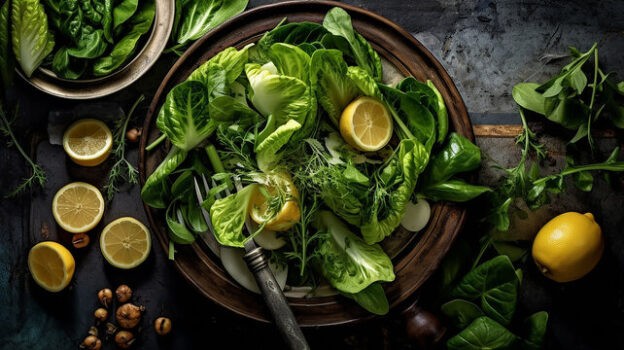
Spinach is a high-profile nutrient, and it plays a significant role in a healthy pregnancy. It provides different types of vitamins and minerals that are useful for both the mother and the developing baby by generating hemoglobin in the mother’s body. This is the way spinach can contribute to a solid pregnancy:
Folate: Spinach is rich in folate. Folate plays a vital role during pregnancy since this feature prevents the mother from developing neural tube problems in the developing fetus, for example, spina bifida. A lot of folate should be taken by the mother before and during pregnancy, but it has a great contribution to the optimal development of the baby’s brain as well as nerve cells. Health and fitness-conscious people are also fond of spinach.

Iron:
Iron is essential for the development of red blood cells and provides sufficient oxygen to not only the mother but also the developing baby. Pregnant women need more iron to support the increased blood volume and developing baby. Spinach contains a lot of iron, although spinach is a plant-based food and is better retained when devoured with ascorbic acid-rich food varieties.
Calcium:
Spinach is a big source of natural calcium, which is important for the development of the baby’s bones and teeth. Furthermore, it also assists with nerve function and blood clotting in both the mother and the baby.
Vitamin A:
Spinach is full of vitamin A in the form of beta-carotene, which plays a core role in fetal development. At the same time, it supports the baby’s growth, particularly the development of the eyes, skin, and bones.

Vitamin C:
Spinach is enriched with vitamin C, and it helps in the absorption of non-heme iron. Simultaneously develops the immune system in our body. It also assists in repairing and regenerating tissues, and its role is indispensable during pregnancy.
Fiber:
Constipation is a common problem for women during pregnancy because of hormonal changes. Fiber holding spinach assists in reducing this problem. Hence, the pressure and tension of the developing uterus on the digestion tracts.
Antioxidants:
Spinach is full of antioxidants, and we should carefully consider the role of spinach during pregnancy. for example, vitamin C and beta-carotene, which protect the mother as well as the baby’s cells from any injury caused by free radicals. Food lovers like spinach very much.
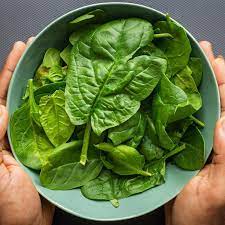
However, it’s vital to take note of spinach, like other leafy green vegetables. It also contains modest quantities of oxalates, which can interfere with calcium absorption. Similarly, it may contribute to the formation of kidney stones in some individuals. Hence, it’s better to consume spinach as part of a balanced diet during pregnancy and not rely solely on it for specific nutrients. Additionally, it’s better to discuss this with a healthcare provider or a registered dietitian. As a result, you will come to know that you are fulfilling your specific nutritional requirements during pregnancy.
The Role of Spinach in Anti-Aging
Introduction
In today’s age-conscious society, maintaining a youthful appearance is a top priority for many individuals. Fortunately, nature often provides us with the answers we seek. One such solution that has gained considerable attention is spinach, a leafy green vegetable full of powerful nutrients and antioxidants. In this article, we will explain the various aspects of spinach’s role in anti-aging and its benefits for overall health and well-being.
Understanding Aging
Aging is a natural process that occurs as we grow older. It is a complex phenomenon influenced by numerous factors.We become older, which leads to visible changes in our appearance, health, and vitality. Factors such as genetics, lifestyle choices, environmental factors, and hormonal changes all contribute to the aging process. While it is completely impossible to halt the passage of time, effective anti-aging solutions have become a focal point for many individuals.
The Nutritional Powerhouse: Spinach
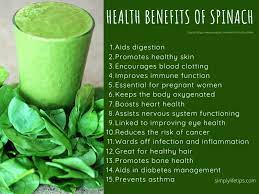
In terms of nutrition, a few foods can rival the powerhouse status of spinach. This is a dark and leafy green vegetable; it is not only a culinary delight but also a nutritional treasure trove. Since it contains vitamins, minerals, and other beneficial compounds, that’s why spinach has earned its status as a superfood. With its unique combination of nutrients, spinach offers numerous health benefits and holds immense potential as an anti-aging solution.
Role of Antioxidants in Preventing Aging
Oxidative stress plays an important role in driving the aging process, which occurs in our bodies when free radicals wreak havoc on them. Free radicals are considered highly reactive molecules that can damage our cells as well as DNA. It accelerates both aging and health issues. Fortunately, spinach is rich in antioxidants such as beta-carotene, lutein, zeaxanthin, etc., which reduce oxidative stress and prevent age-related damage. Spinach plays a vital role for pregnant women.
Spinach and Skin Health
Skin problems are a great problem for us. Aging is an inevitable disease for a certain period of our lives, and it appears on our skin. It causes the appearance of fine lines, wrinkles, and age spots. However, by adding spinach to our daily diets, we can significantly improve our skin health and, at the same time, maintain a youthful, radiant complexion.

Benefits of Spinach for Managing Common Skin Issues
In addition to its general anti-aging properties, spinach also offers specific benefits for managing common skin issues. Its anti-inflammatory properties can help alleviate skin conditions such as acne, eczema, and psoriasis. Furthermore, spinach’s high water content helps hydrate the skin, improving its texture and overall appearance. By incorporating spinach into their diet, individuals can not only maintain youthful skin but also address various skin concerns effectively.
Spinach and Brain Health
Spinach has a great impact on our brain. We become older day by day, and our cognitive capabilities decline gradually by affecting our memory, attention, and total brain function. Moreover, age-related different types of neurodegenerative diseases, such as Alzheimer, may arise generally after 40 years. However, incorporating spinach into our diets can help promote brain health and improve cognitive function.
Nutrients in Spinach that Benefit Brain Health
Spinach is packed with brain-boosting nutrients, which help us combat age-related cognitive decline. It is full of several types of ingredients, like antioxidants, including vitamins C and E which protect our brain cells from cognitive decline. Furthermore, it is full of folate and vitamin B6, which support cognitive function and maintain a healthy nervous system. Additionally, the presence of iron and magnesium in spinach facilitates lots of oxygen, which ensures optimal brain function
Spinach and Eye Health
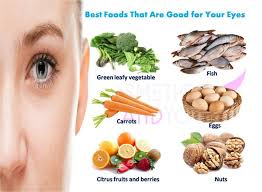
Age-related vision impairment and diseases like cataracts and macular degeneration are very common among the elderly population. The eyes have been considered windows to the soul, which requires special attention when it comes to anti-aging strategies. Hence, spinach is a green guardian that can help safeguard our precious eyesight.
Spinach and Bone Strength
Bone loss is a significant concern, particularly for women, and is often referred to as osteoporosis. This problem occurs when individuals become more prone to fractures and mobility issues. Fortunately, spinach is full of essential nutrients and plays a vital role in promoting strong and healthy bones.
Spinach and Heart Health
Aging increases the risk of cardiovascular issues, including heart disease and stroke. Protecting the heart and maintaining cardiovascular health are crucial for a longer, healthier life. Moreover, spinach, with its impressive nutritional profile, can play a significant role in supporting a healthy heart. Spinach plays a great role during pregnancy. Individuals who like to lose weight need to take spinach regularly.
Incorporating Spinach into Your Diet
The benefits of spinach for anti-aging are undeniable. So, individuals must know how to incorporate this leafy green into their daily meals, which can be a challenge. However, with the help of creative ideas and considerations, spinach can be a staple in your diet. At the end of the day, it can be an enjoyable and effortless endeavor. Spinach plays a great role for pregnant women as well. The role of spinach during pregnancy is undeniable.

Spinach and Longevity
Aging gracefully and maintaining vitality as we grow older is a universal desire. Genetics plays an essential role in longevity and lifestyle factors, including diet, exercise, and overall health, and it has a profound impact on them. Spinach, with its impressive array of nutrients and health benefits, can help individuals extend their lifespan


