
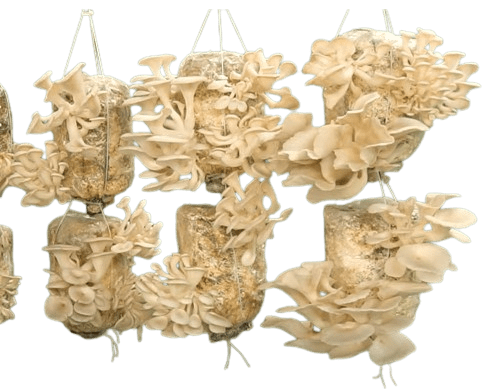
Mushrooms are one of the best supernatural foods around us. This food is one kind of fungus or moss; this term has been derived from the French word moussern. Mushrooms are a delightful and nutritious ingredient that adds flavor and health benefits to meals worldwide. They have been used for centuries not just in cooking but also in traditional medicine.
Mushrooms: Nature’s Culinary and Medicinal Treasure
Mushrooms have been a vital part of human diets and medicine for centuries. Nowadays, they have become more popular for their unique flavor and health benefits. They are considered the fungi kingdom, different in shapes, sizes and colors. It is commonly found in forests, fields and even cultivated in controlled environments; mushrooms are an ecological miracle of nature. They are low in calories, rich in nutrients and packed with bioactive compounds that contribute to overall wellness. Their versatility makes them a favorite ingredient in cooking worldwide, from hearty soups to gourmet dishes. In addition to their culinary appeal, mushrooms play a vital role in traditional and modern medicine, making them indispensable in our lives.

Types of Mushrooms
Button Mushrooms:
Button mushrooms are the most popular, varities and tasty. They are also known as white mushrooms. People commonly use button mushrooms in salads, soups and pizzas. They have an insignificant taste and soft feelings.
Shiitake Mushrooms:
Shiitake mushrooms are large in cap size; they are 2–5 inches wide. They are delicious, have an earthy flavour and taste just like meat. Shiitake mushrooms enhance the taste of stirfries and broths. Their rich, smoky flavor makes them a favorite in Asian cuisine.
Oyster Mushrooms:
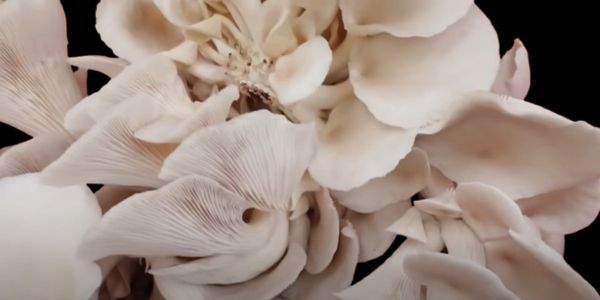
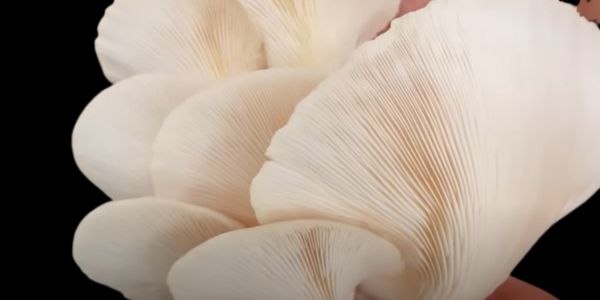
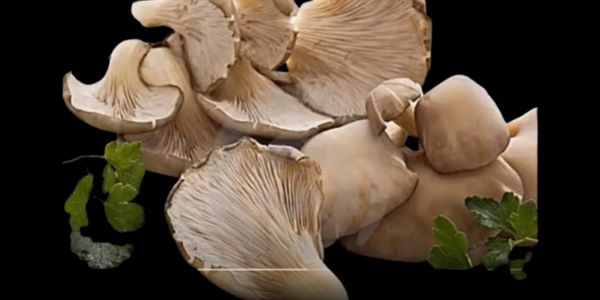
Oyester mushrooms add a gentle, sweet taste to dishes, but depends on cooking process and ingredients They grow in clusters and are easy to cook. This type of mushroom is full of antioxidants and amino acids; for this reason, they are more preferable than another cultivated mushroom. They are very popular for dietary supplements.
Portobello Mushrooms:
People try to get meat satisfaction from portobello mushrooms. Chefs cook this type of mushrooms just like meat Their large caps and hearty texture work well in burgers and grills. They are famous for their most common properties: antioxidant, anti-inflammatory and anticancer.
Enoki Mushrooms:
Enoki mushrooms have a crispy surface and slight taste. They pair well with soups, salads, and noodles. They are highly nutritious, simultaneously full of vitamins B and antioxidants. Its flavor is mild savory and crunchy.
Chanterelle Mushrooms:
Chanterelles offer a fruity and peppery flavor. They are a gourmet choice for creamy sauces and sautéed dishes.
Morel Mushrooms:
Morels have a nutty and earthy flavor. They are extremely valued and frequently used in prestigious dishes.
Cultivation of mushrooms:
There are six steps of cultivation of mushrooms, which are described below:
Preparing the Substrate:
Farmers use materials like straw, sawdust, or compost as the growing medium. They sterilize the substrate to eliminate harmful microbes.
Inoculating the substrate:
Growers mix mushroom spawn with the prepared substrate. This process allows the fungi to start colonizing the medium.
Incubation Stage:
This is the third stage of the cultivation of mushrooms. Farmers keep the substrate in dark and humid conditions. The mycelium spreads throughout the substrate during this stage.
Fruiting Conditions:
Incubation adjusts temperature, light and humidity to get the best quality and plenty of mushroom growth. This phase outcomes in the development of mushroom caps.
Harvesting:
Growers pick mushrooms when they reach the desired size. They handle them carefully to prevent damage.
Packaging and Distribution:
Farmers pack fresh mushrooms in ventilated containers. They ensure quick transportation to retain freshness.
Importance of Mushrooms
- Nutritional Powerhouse:
Mushrooms are rich in essential vitamins like B-complex, vitamin D and minerals such as selenium and potassium. These nutrients contribute to a better metabolism, stronger immunity and bone health. Their low-calorie and high-fiber content also make them ideal for weight management.
- Immune Booster:
Mashrooms make your immune system strong. Certain mushrooms, like shiitake and reishi, contain beta-glucans that enhance the immune system. They help in fighting off infections by stimulating white blood cells. Frequent consumption of mashroom can reduce the risk of chronic diseases.
- Rich in antioxidants:
Mushrooms are a natural source of antioxidants like ergothioneine and glutathione. These compounds protect the body from oxidative stress and reduce the risk of aging-related diseases. Mushrooms also play a role in preventing several types of cancer.
- Support Gut Health:
Mushrooms are a good source of prebiotics that nourish beneficial gut bacteria. A healthy gut contributes to better digestion, improved mental health, and a stronger immune system. Including mushrooms in your diet helps maintain a balanced microbiome.
- Aid in Managing Diabetes:
Mushrooms have a low glycemic index and are rich in fiber, which helps regulate blood sugar levels. Their bioactive compounds improve insulin sensitivity, making them beneficial for diabetics.This mashrooms are excellent dishes for diabetic patients.
- Heart Health:
Mushrooms contain compounds that lower bad cholesterol (LDL) while increasing good cholesterol (HDL). They also help reduce inflammation and improve blood circulation, minimizing the risk of heart diseases. Regular consumption supports cardiovascular well-being.
- Boost Brain Function:
Certain varieties, like lion’s mane mushrooms, are known for their neuroprotective properties. They promote the growth of nerve cells and improve cognitive function. This makes them potentially useful in preventing neurological disorders like Alzheimer’s.
- Environmental Role:
Mushrooms play a crucial role in breaking down organic matter, recycling nutrients into the ecosystem. Their cultivation is also eco-friendly, requiring fewer resources compared to other crops. This aligns them with sustainable living practices.

Key Ingredients of Mushrooms
- Beta-Glucans:
These are natural polysaccharides that develop the immune system. They also contain anti-inflammatory properties, contributing to overall health.
- Ergosterol:
This compound converts into vitamin D when exposed to sunlight. It plays vital role to make our bone strong keep us healthy. It supplies calcium regularly in our body.
- Antioxidants:
Ergothioneine and glutathione are potent antioxidants that protect cells from damage. They help in reducing the risk of chronic diseases and aging-related issues.
- Chitin:
A type of fiber found in the cell walls of mushrooms; chitin supports digestive health. It adds bulk to the diet and promotes healthy bowel movements.
- Essential Minerals:
Selenium, copper and potassium are abundant in mushrooms. These minerals are crucial for various body functions, including heart health and metabolism.
Effectiveness of Mushrooms in Relieving Cold and Coughs
- Boosts Immunity:
Mushrooms like reishi and maitake strengthen the immune system, helping the body combat infections. They stimulate the production of white blood cells that fight viruses.
- Reduces Inflammation:
The anti-inflammatory properties of mushrooms help soothe irritated respiratory tracts. This is especially beneficial for those suffering from chronic coughs.
- Natural Antiviral Properties:
Certain compounds in mushrooms exhibit antiviral effects, helping reduce the severity of colds. Regular intake can shorten the duration of symptoms.
- Rich in Vitamin D:
Mushrooms exposed to sunlight are an excellent source of vitamin D, which supports immune health. It plays a critical role in preventing and managing respiratory infections.
- Enhances Respiratory Health:
Mushrooms contain bioactive compounds that promote clear airways and reduce mucus buildup. This makes breathing easier during colds and coughs.
- Promotes Recovery:
The high nutrient content in mushrooms provides energy and supports quicker recovery. Their antioxidants help repair tissues and combat fatigue.
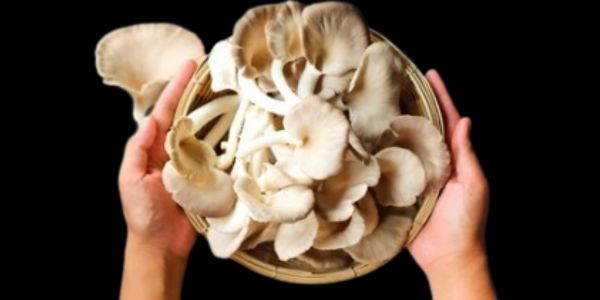
Here are the top 7 benefits of mushrooms for skin
Hydrates and Moisturizes Skin
Mushrooms are rich in polysaccharides, which help retain moisture in the skin. They create a natural barrier, preventing dryness and flakiness. Regular use of mushroom-based products can make your skin soft and supple. Hydrated skin appears healthier and glows naturally.
Reduces Signs of Aging
Mushrooms are composed of antioxidants such as ergothioneine and selenium, which combat free radicals. These antioxidants minimize fine lines, wrinkles and other signs of early aging. They improve the skin’s elasticity, giving it a youthful appearance. Regular use of mushrooms can help your skin stay firm and glowing over time.
Brightens Skin Tone
Mushrooms contain kojic acid, which naturally lightens dark spots and imperfections. This compound inhibits melanin production, leading to a more even skin tone. It gently brightens your complexion without harsh chemicals. Your skin will look fresh and glowing with consistent use.
Soothes Inflammation and Redness
Mushrooms possess anti-inflammatory properties that calm irritated skin. They reduce redness caused by acne, eczema, or environmental factors. Their soothing effect makes them ideal for sensitive skin types. Your skin feels relaxed and revived after applying mushroom-based treatments.
Improves Skin Texture
The vitamins and minerals in mushrooms, like Vitamin D and zinc, support healthy skin renewal. These nutrients smooth out rough covers and improve the skin’s surface. Mushrooms help to remove dead skin cells, revealing a softer texture below. With regular care, your skin feels soft and graceful.
Combats Acne
Mushrooms are a natural source of beta-glucans, which boost the skin’s immune response. They help fight off acne-causing bacteria and reduce breakouts. Their natural astringent properties tighten pores and prevent excess oil production. Using mushrooms can lead to clearer and healthier skin.
Protects Against Environmental Damage
Mushrooms shield the skin from harmful UV rays and pollutants with their antioxidant content. They repair damage caused by environmental stressors, preventing dullness. These protective qualities enhance the skin’s natural defense system. With mushrooms, your skin stays resilient and glowing in challenging conditions.
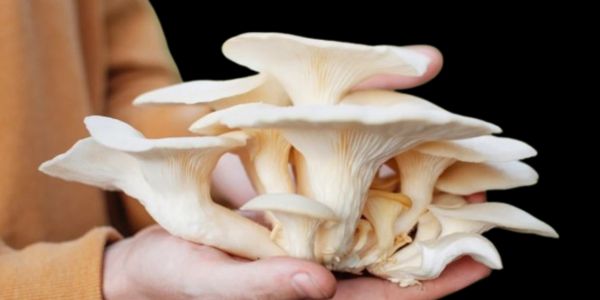
7 Reasons Why Mushrooms Taste So Good in Restaurants
Chefs Use High-Quality Mushrooms
Restaurants often choose the freshest and most flavorful mushrooms. They source them from trusted suppliers to ensure top-notch quality. These outstanding cooked mushrooms have well feelings and a naturally rich taste. Using premium produce enhances their overall flavor in dishes.
They Cook Mushrooms with Perfect Heat
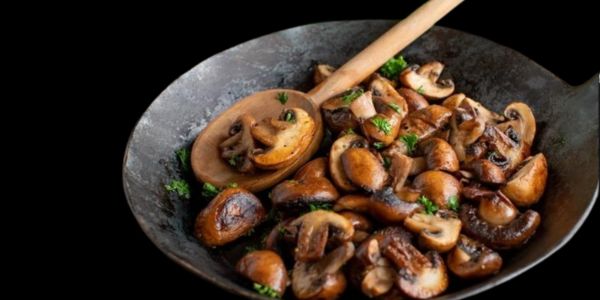
Professional chefs know how to cook mushrooms at the right temperature. They sear them to bring out their natural umami flavor without overcooking. This process gives mushrooms a golden, caramelized finish. Proper cooking makes them taste rich and savory.
They Season Mushrooms Just Right
Restaurants always season mushrooms with precision. They add the right amount of salt, herbs, and spices to enhance the taste. This perfect balance makes the mushrooms more aromatic and flavorful. Chefs often experiment with unique seasonings to surprise diners.
They Pair Mushrooms with Complementary Ingredients
Chefs combine mushrooms with ingredients that enhance their flavor. Butter, garlic, and herbs like thyme often bring out their best qualities. These pairings add depth to the mushrooms’ earthy taste. Together, they create a mouthwatering dish that stands out.
They Use Special Cooking Techniques
Restaurants use techniques like sautéing, roasting, or grilling to prepare mushrooms. These methods amplify the natural flavors and textures. For example, chefs make mashrooms grills which adds a smoky taste, diner’s lovers prefer this type of dish very much. Each technique ensures the mushrooms taste better than ever.
They Add Rich Sauces and Stocks
Chefs often cook mushrooms in rich sauces or flavorful stocks. These liquids soak into the mushrooms, making them juicy and delicious. The added flavors elevate the taste of the mushrooms to a whole new level. This extra step makes every bite more satisfying.
They Focus on Presentation and Aroma
Restaurants serve mushrooms in visually appealing ways with fresh garnishes. The aroma of cooked mushrooms, combined with herbs or butter, tempts your senses. This attention to detail makes the dish more enjoyable. You not only taste the flavors but also appreciate the experience.
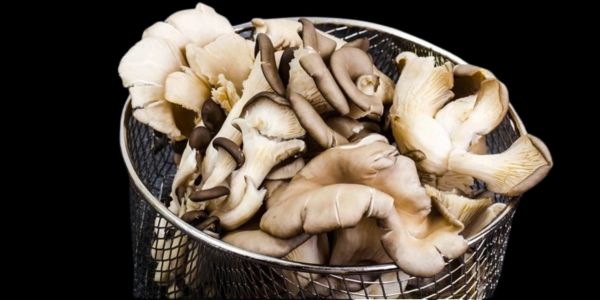
Recipe Ingredients:
- Garlic Olive Oil or Extra Virgin Olive Oil
- 1 pound Mushrooms cut into quarters
- 1 cup Red Onion diced
- 1 tablespoon Thyme and Rosemary freshly chopped
- 1 tablespoon Garlic minced
- 1 tablespoon Lemon Juice freshly squeezed
- 2 tablespoon White Wine, White Vermouth or Chicken
- 2 tablespoons Parsley freshly chopped
- 1 Lemon zest
- 2 tablespoons Sweet Butter
- Salt and Pepper to taste
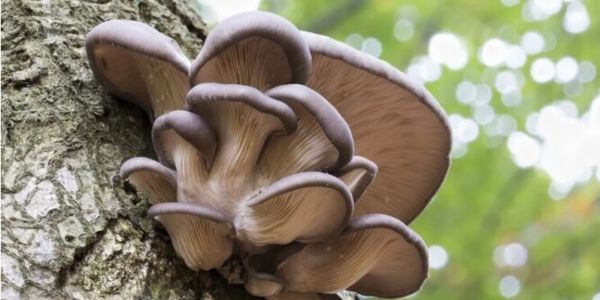
How to Cook Mushrooms
- Cleaning and Prepping:
Firstly, wipe mashrooms with a damp cloth or paper to remove all sorts of dirty things. Do not soak them in water to avoid becoming soggy.
- Sautéing:
Heat a pan with a bit of oil or butter and cook mushrooms over medium-high heat. Stir occasionally to achieve a golden brown, caramelized finish.
- Grilling:
Brush mushrooms with olive oil and season with salt and pepper before placing them on a grill. Grilling enhances their smoky and savory flavors.
- Roasting:
Spread mushrooms on a baking sheet, drizzle with oil, and roast in the oven. This method concentrates their flavor and gives them a crisp texture.
Conclusion
Mushrooms are an extraordinary gift from nature, offering a unique combination of taste and health benefits. Their versatility makes them an essential ingredient in various cuisines worldwide. Beyond their culinary appeal, they contribute significantly to health and environmental sustainability. Whether used in soups, sautéed dishes, or medicinal remedies, mushrooms continue to captivate us with their flavor and functionality. Embracing mushrooms in your diet is a step toward healthier living and a sustainable future.


