
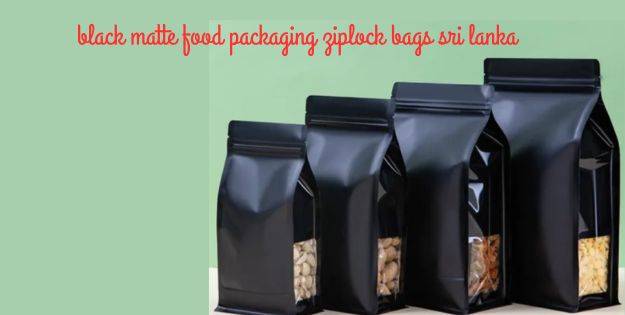
Black matte food packaging ziplock bags in Sri Lanka combine aesthetic appeal with practical benefits, making them a top choice for contemporary businesses. Whether you are a new company looking to establish a strong brand identity or a seasoned business seeking to refresh your packaging strategy, these ziplock bags offer an innovative solution.
Introduction to Black Matte Ziplock Bags
Ziplock bags have long been favoured for their convenience and reusability, but the black matte finish adds an element of sophistication. This trend is quickly catching on in Sri Lanka as businesses strive to differentiate themselves in a crowded marketplace.
Why Choose Black Matte Ziplock Bags?
These bags provide more than just a sleek look. They are robust, protecting contents from external moisture and contaminants, making them perfect for packaging various goods. Businesses in Sri Lanka find these features enhance product safety while elevating brand image.
The Market for Black Matte Bags in Sri Lanka
There’s a growing demand for packaging solutions that blend functionality with style in Sri Lanka. Consumers appreciate the premium feel of black matte packaging, which translates to a perception of higher product quality. This trend is seen across food industries, from gourmet snacks to organic produce.
Eco-Friendly and Stylish Packaging
Today, sustainable packaging is more important than ever. Black matte ziplock bags contribute to this movement by offering reusable solutions. Many companies in Sri Lanka are moving away from single-use plastics, and adopting these bags positions them as environmentally conscious brands.
Versatility and Functionality
These bags’ versatility is unmatched. They are ideal for various products, including food, spices, and non-edible goods. The ziplock feature makes them user-friendly and ensures that contents remain fresh for extended periods.
Case Studies: Success Stories in Sri Lanka
Local businesses in Sri Lanka are already reaping the benefits. For instance, a local tea company switched to black matte packaging, witnessing a significant boost in product recognition and an uptick in sales. These bags have become a tool for competitive advantage by quickly catching consumer attention.
Buying Guide: What to Look for in Matte Ziplock Bags
Consider thickness, size, and resealing capability when choosing black matte ziplock bags. Ensure the material is food-grade if it’s for edible products. Partnering with reputable suppliers in Sri Lanka can guarantee quality and compliance with local regulations.
Future of Packaging in Sri Lanka
The future looks bright for black matte ziplock bags. With increasing sustainability and packaging innovation awareness, Sri Lankan businesses are poised to embrace these stylish solutions. This trend reflects a global movement towards packaging that does not sacrifice style for sustainability.
Food Packaging FAQ: Everything You Need to Know
Can ziplock bags be used multiple times?
Yes, ziplock bags can be reused several times, especially if they are well-maintained and cleaned thoroughly after each use. Just ensure they are designed for reuse and free from tears or residual food that could harbour bacteria.
Are ziplock bags suitable for storing food safely?
Ziplock bags are generally safe for food storage. They are designed to keep air and moisture out, helping maintain freshness. However, ensure they are not exposed to high heat or reused if they show signs of wear or contamination to avoid potential health risks.
Why are food items often packaged in paper bags?
Paper bags offer a biodegradable and environmentally friendly option for food packaging. They are breathable, which can help reduce moisture buildup, making them a good choice for items like bread and produce.
Do paper bags help maintain food freshness?
Paper bags can help keep certain foods fresh by allowing them to “breathe,” thereby reducing moisture accumulation that can lead to spoilage. However, they may not be ideal for all perishables and often must be combined with other preservation methods.
What are the primary purposes of food packaging?
Food packaging protects products from contamination, extends shelf life, and provides essential information like ingredient lists and expiration dates. It also offers convenience in handling and storing food items.
How does packaging enhance food convenience?
Packaging makes food more convenient by offering portions that are easy to handle, carry, and store. It often features resealable options or single-serving sizes that cater to busy lifestyles.
What is the fundamental aim of food packaging?
The primary aim of food packaging is to ensure product safety during storage, transportation, and sale. It protects food from environmental factors and contamination while communicating important product information to consumers.
How can you confirm that food is packaged correctly?
Ensuring food is packaged correctly involves using appropriate materials for different food types, maintaining hygiene during packaging, and conducting checks for airtight seals to prevent contamination and spoilage.
How is food packaging tested for quality and safety?
Food packaging undergoes various tests, such as durability and chemical safety evaluations, to ensure it can withstand transportation and storage. Testing also ensures that packaging materials do not leach harmful substances into food.
What are some strategies for reducing packaged food consumption?
To avoid packaged foods, focus on buying fresh produce, cooking meals from scratch, and using reusable containers for storage. Being mindful of meal planning and shopping can reduce dependency on processed and packaged products.
What does food labelling entail?
Food labelling provides consumers with essential information about the product, including ingredients, nutritional content, and expiration dates. It helps consumers make informed choices about their diet and any dietary restrictions they may have.
Is food labelling mandatory?
Yes, food labelling is generally required by law. It ensures transparency about consumers’ purchasing and consumption, helping them make safe and informed dietary choices.
What constitutes a highly processed food?
Highly processed foods undergo extensive processing and often contain added sugars, fats, and preservatives. Examples include instant noodles, sugary cereals, and pre-packaged snacks.
What are the colour guidelines for food packaging?
Colour codes in food packaging may not be standardized universally but are often used to attract consumer attention, signify freshness, or differentiate product types. For example, green might denote organic or natural products, while bright colours usually indicate flavours.
Conclusion: Embrace Stylish Packaging
Incorporating black matte ziplock bags into your packaging strategy means embracing a modern, chic, and practical option that resonates with today’s consumers. As the market evolves, these bags will continue to be a pivotal part of packaging strategies in Sri Lanka.


