
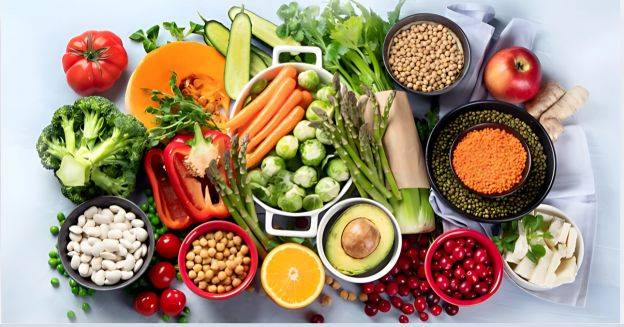
Ever been to the kitchen and felt like being bombarded with conflicting nutrition advice, wondering what a balanced diet looks like in reality? I have, too. A balanced diet is not about eating perfectly or carrying out strict regulations; rather, it’s about adding to your body all the nutrients that it requires through a range of food types. Measuring and weighing the right portions of food all the time is the so-called “hard-line” way which cannot actually work in the world of reality! This is why nutrition, as we can see, is both simpler and slightly more complicated than it is assumed to be. This document will walk you through the whole story of my struggle with getting a hold of a healthy diet that ultimately I managed after sifting through numerous fad-diet failed attempts. That’s right; you will be led step by step through my very own story and, at the same time, be made aware of the principles that can make nutrition work for whatever culture you come from — whether you like fruits and vegetables in Africa or burgers and fries in America. We will also discuss the fact that sometimes “a balanced diet is a cookie in each hand” is not entirely against the idea of joy being beneficial and moderation in our eating habits.
What Makes a Diet Balanced?
When we use the term “balanced diet,” we’re essentially referring to the concept of providing your body with the necessary components to perform well. Imagine your body as a car – it needs the appropriate fuel blend to move efficiently.
A balanced diet incorporates proteins, carbohydrates, and good fats in adequate doses. These are your body’s main supplies of energy. In addition to vitamins and minerals, which are like the oil that keeps all your parts working smoothly.
There was a time when I decided to change my eating habits entirely and went for protein shakes and salads only. I don’t think it is important to mention that it was not the best choice! Most of the time, I felt tired. The main problem was the lack of carbohydrates – my body didn’t have the element of quick energy. A really balanced diet consists of all the ingredients working together.
It is obvious that eating the same food every day also makes your diet unbalanced. For instance, when I was in Bangladesh, I really enjoyed well-prepared meals containing rice, fish, lentils, and many various types of veggies. Such a natural assort was a brilliant combination for our balance. Unfortunately, this is not the case in America since dishes usually have just one leading food, which does not guarantee balance.
Balance is literally linked to the right proportion. Overconsumption or underconsumption of any food is not beneficial in any case. You can have both ends of the stick at the same time; that’s what I realized when I was going through a rough patch! When I went completely without carbs, I couldn’t finish any of my assignments because I immediately ran out of energy. When I indulged a lot in protein, I experienced chronic stomach upset.
One’s appropriate balance is not the same as others’. What was elite for me might not be the most suitable choice for you. It’s not just age, physical activity level, and residential sting but some more factors you should take into account. People in sizzling places such as Bangladesh require a higher amount of water and salt than people living in cooler areas.
It might take you quite a while to hit just the right mark. I still remember the days when I was experimenting with various food combinations only to find that that was definitely a real struggle test of my perseverance. However, it’s awesome news! Your body will signal you when everything is in order. Extra energy, better sleep, and a brighter mood are all indicators of perfect balance.
Key Components of a Balanced Diet
A balanced diet inevitably includes various key components that facilitate it in keeping you fit. Let’s break down these components and find out what they are and why they are really important for your general state of health.
- Proteins: Sources and Recommended Intake
Proteins are the basic material from which your organism builds new cells and thus recovers. Your body has to be supplied with protein to remain in good shape, repair cells, fight diseases, etc.
Excellent protein sources are represented by eggs, chicken, fish, beans, and tofu. As an example of this situation, fish – fresh from local waters – was our primary protein when I was living in Bangladesh. Now, in the USA, my diet includes plant proteins such as lentils and chickpeas.
Most adults require about 0.8 grams of protein/per kilogram of body weight daily. That means that a person weighing 150 pounds would need approximately 55 grams of protein each day. My protein intake is traceable in a rather relaxed manner – one palmed-sized portion at each meal is adequate for me.
By the way, I have experienced both ends of the protein balance spectrum. My first trial was great for reducing my energy levels – I’ve been getting weaker and weaker. However, the exaggeration did not result in a real stomach of gold- I have spent too much time croaking. So you should understand that aging is a golden truth to a fit body. Ask questions or reason and then make the necessary adjustments.
- Carbohydrates: Complex vs. Simple
Carbs are actually the fuel that your body runs on, and so you cannot do without them. In fact, they are your primary brain food, providing the energy for the daily functioning of your muscles and enabling you to perform countless activities every day.
There are two basic types of carbohydrates: complex and simple. Complex carbohydrates are those derived from brown rice, whole wheat bread, and sweet potatoes, which bring about a more constant energy level. On the other hand, simple carbs like white sugar give an energy boost quickly, but it’s also short-lived, and it’s never too late for a last call.
It’s a very big realization I had but I had to pay the price for it! When I was almost on a simple carb diet, I felt so elated, yet out of the blue, I would feel so empty after an hour. The change of my morning meal to more complex carbs was very helpful for me to stay concentrated all morning long.
Since I am a Bangladeshi, carbohydrates were and always will be part of my daily rice-based meal. When I was in the USA, I had to be cautious about consuming whole grains instead of processed ones.
Several nutrition specialists suggest that, for sure, 45-65% of your daily calories should be made up of carbohydrates. In order for me to fulfill this recommendation, I would eat a portion of healthy carbs that is roughly the size of my fist with my main meals of the day.
- Healthy Fats: Essential for Wellness
For a very long time, being fat was considered the worst thing, but it turned out to be very important in the human body. Your body utilizes fat in order to absorb all the vitamins, which in turn helps protect the organs and the brain to function efficiently.
Good fats are found in examples such as avocados, nuts, olive oil, and fish, which are not only a source of fat but also have beneficial effects. Fish is a major source of omega-3 fats that keep your heart and your brain in good condition.
One time, when I eliminated almost all the fat from my diet, thinking it would be good for my health, I ended up with very dry skin and fatigue. On the other hand, when I added healthy fats back to my eating habits, I noticed a great increase in my energy levels.
According to some dietary guidelines, about 20-35% of one’s daily calories should come from fat, and most of it should be the healthy type of fat. These days, I incorporate olive oil into my salads and have nuts as my snacks in order to meet my good fat needs.
- Vitamins and Minerals: Critical Micronutrients
Vitamins and minerals are similar to small assistants that are responsible for a variety of tasks in your body system and are very efficient. Their amounts are small, but their significance is really great.
One of the things that your body system does not compromise on is that each and every vitamin and mineral is assigned unique tasks. The work of Vitamin C is to heal wounds, the purpose of calcium is to give you strong bones, and iron brings oxygen to your blood.
For optimum intake of vitamins and minerals, the most popular source is through eating a variety of colorful fruits and vegetables. I make sure that every day, I am consuming fruits and vegetables that have contrasting colors – red tomatoes, orange carrots, green spinach, and so forth.
When I didn’t eat enough diversified foods, I noticed that I got sick more frequently. Now, I am always sure to put a lot of different fruits and vegetables on my plate, which not only helped me improve my immunity but has also enabled me not to get sick anymore.
- Fiber and Water – Two Nutritional Must-Haves that Usually Go Unnoticed
Fiber and water are generally not talked about as much, yet they play a critical role in having a healthy and balanced diet.
Fiber helps regulate the regular functioning of your digestive system and, in addition, makes you feel full longer. It is available in fruits, vegetables, beans, and whole grains.
My digestion changed so much when I added more fiber to my diet. I aim at 25-30 grams of fiber daily by eating plant foods every meal.
Water is absolutely necessary for life! Your body is mostly water, and you need it for virtually every body function. I have my water bottle wherever it goes to ensure proper hydration.
Living in Bangladesh’s hot weather, I got to know quite early how indispensable water is. I drink at least 8 cups a day when I’m not doing any physical activities or when the weather is cool.
These five components – proteins, carbs, fats, vitamins/minerals, and fiber/water – lay the groundwork for a really balanced diet. Having the right combination of these nutrients provides your body with enough to function properly and efficiently.
Balanced Diet for Different Demographics
Not every individual gets the same energy from the same food. Women, men, and children have different needs for a well-balanced diet to live healthier which is nothing but natural. Our bodies also consume energy in different ways due to the natural differences between the sexes.
Women and their Balanced Diet
The health requirements of women are different when they are in different stages of life. The diet of a woman must be composed of meats that are lean and contain enough of the mineral iron that leafy greens do to replace the iron that women lose during menstruation.
By experience, I know how women make these mistakes. I can remember the time when I often felt tired and cold despite being in my twenties. A deficiency in iron was later found out through a blood test. After I boosted my meals with lentils and spinach, my energy soared.
Calcium is also a woman’s best friend to help her keep her bones healthy. Women probably have to consume the mineral at a rate of 1000-1200 mg A4-sized paper of calcium every day, which is equivalent to around 3-4 glasses of milk. I don’t consume dairy products, so I include in my meals calcium-rich foods such as tofu, almonds, and leafy greens accordingly.
During the time of pregnancy, a woman faces changes in nutrition, so additional nutrient intake becomes crucial. My sister was the biggest fan of beans, eggs, and leafy greens because they were the principal sources of folate, iron, and protein for her during that period. However, it was her choice.
As a woman is nearing her menopause, her calcium and vitamin D intake should increase for the sake of her healthy bones. Specifically, after entering that phase, my mother adopted a different dietary regimen; she relied on high in calcium foods and vitamin D from the sun.
It is not a wonder if most women find that a balanced diet with small nutrient portions is what suits them more, instead of the quantity, which is also important for men. Actually, satisfaction and less consumption of food can be achieved through protein and fiber at every meal that have proven to be very efficient.
Balanced Diet for Men
Usually, men will demand more calories than females due to the fact that they have a larger body size and muscle mass, which requires more energy. A balanced diet for men thus involves more protein and carbohydrates that can provide the fuel their bodies need.
My husband’s food portion is usually 30% more than mine as it is the way he keeps his weight under control and such a portion equals around 2,500 calories per day, while mine is only 1,800.
Men require nutrients that can assist in their heart health as they are more likely to develop heart disease. Staple food items such as bananas, avocados, and nuts are good sources of potassium and magnesium which play an active role in controlling the blood pressure in the body.
One mineral that is essential for a man’s reproductive health is zinc. This mineral can be found in oysters, beef, and pumpkin seeds and is thus considered a very good source of it. As an example, I can mention my brother, who started adding more zinc-rich foods to his diet plan as he was considering starting a family. His doctor, although attentive, could not but approve of this course of action.
Men somehow tend to eat fewer vegetables than women, and the fact that my male friends and family members have been doing so is enough proof for me. If I serve them with vegetable and protein-rich foods, my male relatives will get the proper nutrition they need to stay healthy.
Balanced Diet for Children and Teens
It is necessary for kids to have the energy which is supportive of their growth. In their healthy food plan, milk, protein, and healthy fat will be enough for brain development.
Children need more fat in their diet than adults – about 30-40% of their calories should be from healthy fats. I remember being told by my niece’s pediatrician about the necessity of eating avocados, whole milk, and nut butter when she was a little kid.
Teenagers who are going through growth spurts have a need for many more calories and much more protein. My teenage cousin eats such a large amount of food that it feels like he is eating up the entire plateau! His body is developing bone and muscle at no less than an amazing rate that uses more nutrients than at any other life stage.
Sugar can be quite harmful to children’s developing bodies. I’ve experienced how my friend’s children had more stable energy and better focus in school only by limiting sugary drinks and treats. They were at first subjected to the taste of this new fruit, but the process has made them enjoy more ‘sweeter’ and nursing vegetables.
It is also significant that kids are forming eating habits that will not just be good for them now but for life. Making them cultivate a taste for many types of healthy foods besides the nutrients will be of more benefit. My little nephew had been avoiding vegetables until we came up with a ‘taste adventure’ game that made trying new foods interesting.
Cultural Considerations in Diet Balance
It is well known that food is closely related to the culture of a certain region, and it is only natural that varying diets can be healthy in different parts of the world.
So, in Bangladesh, where I am originally from, the menu of our daily food was mainly rice, fish, lentils, and vegetables. Thus, our balanced diet included a good amount of complex carbohydrates, lean protein, and a whole load of fiber. Most of the meals consisted of multiple small plates that provided a wide range of nutrients altogether.
Compared to Bangladesh’s balanced and rich meals, where people eat only a portion of the food, a more typical American diet features larger portions of fewer foods. The average meal would be a big chunk of meat with a single vegetable and starch. It is quite difficult to attain a proper balance with just a single meal.
After relocating to the United States, I had to change the way I used to eat in my home country. I discovered that the recipes that combined the flavors and the convenience of the two countries were quite popular. A Buddha bowl accompanied by rice, beans, avocado, and vegetables that are common to both cultures is an example.
Part of the core of every food culture starts from eating whole, unprocessed foods for the most part. The nutrient content of the foods is higher whether you eat casserole or curry by picking those foods that are near their grown state.
Irrespective of where you are in the world, you can still create a balanced diet from the foods that you have inherited from your ancestors.The Japanese have fish, rice, and vegetables in their diet. The Mediterranean pantries are stocked with olive oil, fresh fruits, vegetables, and seafood. Mexican cuisine is known for its traditional combination of beans, corn, and peppers. All the above examples turn out to be the most balanced diet plans possible.
I have realized that there are many more ways to eat healthily than just one. A good diet that is in tune with both your body’s and cultural needs reflects your balanced diet. Your food source should not only be the one that is efficient for your health but must also be the one that provides, etc., the roots of your soul and connects you to your original culture.
Benefits of Maintaining a Balanced Diet
A well-balanced diet does not simply satisfy your hunger; it is more than that and can be the solution for your entire life that may happen unexpectedly. I personally experienced the benefits, and they have also been the same for a lot of people.
Physical Health Benefits
A variety of different foods consumed in appropriate proportions and at the right time can benefit the body in several ways. The first and most obvious advantages refer to physical health.
By balancing meals, a person can be able to achieve weight management easily. When I finally gave up yo-yo dieting and started to combine protein, fiber, and healthy fats in my meals, my weight simply began to stabilize at the natural level. It was not that I was always hungry like I used to be, and I also stopped craving sweets completely. The body found its comfortable weight on its own without the intervention of counting calories on my part.
One of the core parts of a balanced diet is the lack of disease. Eating right is the best preventive method for almost all health diseases. His doctor was very surprised when my uncle told him that he limited the number of processed and high-in-sodium foods and made fruits and vegetables the main part of every meal, and after three months his high blood pressure normalized. Truly, those foods that are good for us are indeed our best medicine!
The energy level is also an important feature of balanced eating. There was a time when I would usually feel tired around 2 PM, and the feeling remained consistent almost every day when I was working. But after I got my diet fixed, I am able to consume more complex carbohydrates and protein, especially at lunchtime, and in so doing, the office hours are not at all as challenging as before, and I do keep myself awake. The provision of the needed fuel for the body in each part of the day is of great significance for it to be in good shape.
The use of quality food to improve sleep is another benefit of balanced eating. During the time when I was eating less sugar and more became a diet rich in magnesium as nuts and leafy greens, it was the first time in years that I could sleep all through the night. Having good food will result in good rest for the body.
Mental Health Benefits
Food has an equal impact on your mind as it does on your body. Good mental health is solidly upheld by a proper meal.
A stable mood results in stable blood sugar levels, which stem from good nutrition. My mood used to be all over the place, and I figured that was just the way I was. The more I committed to a regular balanced diet, the more my moods became stable. Apart from that, I haven’t been hungry ever since!
Proper nutrition enhances better brain functioning. Omega-3 fatty acids present in food such as fish and walnuts are good for brain communication. After I consumed more of these foods, I became aware that I could endure work and think more clearly and vocally.
Stress levels are also affected positively by eating a well-balanced diet. Nutrients are required for the body to be able to manufacture stress hormones and calming substances. There was this period at work when I was handling too much, but I made sure I ate all my meals anyway. I was the calmest I’ve ever been, and the pressure did not bother me as much as it had during previous equally stressful times when I was not eating healthy.
I observed that depression and anxiety are treatable with good nutrition. Food should be a component, not the whole, of the solution to mental health concerns; it does help, however. A friend of mine who has anxiety problems said that switching to fewer cups of coffee and consuming more whole foods can notably help her condition.
Skin Health: How Diet Affects Appearance
Many might be surprised to know that their food choices can be clearly seen on their skin. Consuming a balanced diet not only keeps the skin in a healthy condition but also provides the nutrients needed to repair and protect itself.
It is the consumption of fresh products, mostly in the form of water, that makes skin look good. Since introducing more refreshing water into my system and eating greens such as cucumbers and watermelon, in just 14 days, my skin was not only flatter but also glowing like a firefly.
Antioxidants that are present in colorful fruits and vegetables are able to counter or even reverse the effects of oxidative stress on your skin cells. This phenomenon is indeed real, as the use of roughage and colorful capsicums soothed my hot red skin. These food ingredients facilitate the suppression of the “fire” of intense skin issues that are caused by an inflammatory cycle.
Being well established in the diet, healthy fats do wonders for the skin, with nothing but a natural glow. My skin felt so much dewier after incorporating more avocados, olive oil, and fatty fish into my meals. The body can get the material needed to keep the skin cells moisturized and flexible from these foods.
Furthermore, high fructose corn syrup and artificial additives are known to trigger acne breakouts and inflammation. The most unbelievable and noticeable change in the skin was when my sister opted for a no-sugar diet for a month. Not only did her acne vanish using sugar, but it also made her look a lot younger.
Some nutrients, such as Vitamin C and Zinc, directly contribute to the health of the skin cells. Vitamin C does not only promote the production of collagen but also keeps your skin smooth. Zinc participates in the recovery of the skin, and vitamin E acts as a shield to protect skin cells from harmful effects. Consuming different kinds of food is a great way to provide your skin with all the necessary tools for becoming more attractive.
It is also essential to understand the relationship between gut health and the condition of your skin. I opted to combine my healthy diet of gut-friendly, low-fat, unsweetened yogurt and fermented vegetables with my regular meals; the result was a district reduction in my persistent eczema epidemic. The health of the gut is correlative to the health of the skin.
I’ve observed that my skin is quite susceptible to dietary adjustments within a few days. In case I may have a weak diet on a holiday, puffiness and lack of brightness can be observed instantly. When I come back to regular eating, my radiance will be back to normal in the blink of an eye.
The expression “you are what you eat” is a perfect illustration of the significance of nutrition for your skin. A diet rich in water, fruits, vegetables, good fats, and lean meat has always been key to achieving such a glow, which money cannot buy even with the most expensive creams.
Common Misconceptions About Balanced Diets
There are multiple misconceptions existing about how to get a proper diet. It is high time to break these false beliefs and start talking about a healthy diet more to the point.
Addressing “a balanced diet is a cookie in each hand”
Have you ever heard the one about “a balanced diet is a cookie in each hand”? Although it is a joke, it also has a wholesome note about control and pleasure.
Treats are absolutely part of a healthy diet. The trouble arises when we perceive the food as being either “good or “bad.” Initially, I completely kept away from cookies and found myself overeating later. Currently, I take the liberty of small treats regularly without an ounce of guilt, and the funny thing is, I do not crave them that much.
Balance is not about eating perfectly – it’s about putting good, nutritious fuel into your body most of the time and still having fun. When my aunt was diagnosed with diabetes, her doctor did not create a list of forbidden sweets. Instead, he taught her to control cravings and showed her that sweets are still possible in small quantities as part of the diet plan.
Furthermore, the joke reported in the cookie phrase also indicates that mental balance is required in our diet. The food should not only be nutritious, but it should also bring us pleasure. In Bangladesh, we always finish our meals with something sweet, even if it is a piece of fruit. This tradition also recognized our sweet taste palate.
Real balance is when you can have both – health goals and pleasure. You don’t have to do without enjoying food to be healthy. I have realized that what I do is plan for occasional snacks, which, in turn, help me continue eating healthily most of the time.
All-or-nothing thinking
All-or-nothing thinking is among the prevalent reasons why dieting frequently ends with failure. For instance, it is caused by the false belief that we should follow all the rules of a diet correctly. The other way means we are losers.
I have often been in this situation. So, only one piece of a birthday cake caused me to consider, “Well, I already violated my diet, so I would rather eat whatever I want today.” This very thought made much trouble as it was the cause of a different alternation (over and under-eating), different from the balance I was seeking.
It is not true that one bountiful meal or day shapes our diet. It is a process that can be observed over time, not every single bite. Finally, I could crack the code of the correlation between energy and food after a while of healthy eating habits. From that moment on, I did not consider the consumption of such a meal as a failure.
One’s black-and-white thinking hardly allows for lasting change. For example, my neighbor wanted to quit eating all the carbohydrates at once. He went that way for two weeks, but in the end, he realized that it was not his cup of tea and came back to his old habits. I am not denying the fact that baby steps would be more effective and would guarantee more durable results.
It is not by chance that eating by the book does not go off very well. People used to think of dietary cleanliness as an essential element that leads to losing weight. On the one hand, the result was a healthier and mentally stable weight. On the other hand, people who did not insist on their decisions had less anxiety and were actually healthy. As an example, I can talk about myself when I faced that issue.
Fad diet pitfalls
Fad diets may promise fast results but most of the time, they do not guarantee sustainable health. Discovering the dark side of these popular diets can lead us to a better understanding of real harmony in our lives.
Few rigorous prohibitions translate into permanent success. I experimented with a diet that eliminated whole food groups, and sure, I quickly dropped weight. Nevertheless, I was irritable and fatigued, and my attention span was not as clear. In a matter of months, I was back to my original weight because the diet was not viable.
Fad diets typically do not take into consideration the individual differences. What one celebrity or influencer follows may not fit you very well. My body and my sister’s body react to the same food in a different way. Therefore, we have to choose our own balance depending on how our bodies react to the food.
One of the negative points of fad diets is that a lot of them don’t rely on good scientific evidence for their background. I had practiced the diet that was supposedly based on “food combining,” and it stated that you couldn’t consume certain foods together. After a few years, I found that this rule was not based on any scientific evidence.
Fear of food is promoted by many fad diets. One of the trendy diets persuaded me that some fruits had “too much sugar,” so it was better to avoid them. In fact, I was so silly that I feared not to eat an apple. One really balanced diet should not make you feel frightened of natural, unprocessed foods.
Lack of long-term thinking is one more issue with fad diets. These strategies promise people quick results rather than the development of sustainable eating habits. I have learned to ask myself, “Could I eat this way for the next year?” If the answer is no, it is probably not a satisfactory approach.
The worst part of fad diets is that they have cut off our connection with our body’s natural instincts. My years of sticking to the diet’s tough rules made me realize that I need to find my hunger and fullness signals. A balanced diet is one that cooperates with your body, not the one that works against it.
This best method is not really new or on the extreme side. Basically, this approach involves consuming a diverse range of whole foods most of the time, in amounts that are satisfying to you, and at the same time, giving space for some exceptions. It might not be an international bestseller or attract millions of social media users, but it is working in reality. Our readers should just be ourselves.
A personal thing to remember would be the realization that what is normal for you is not for everyone. However, what I consider my best diet might not be the same as yours; we are basically different from each other. The basis of your search should be the adoption of a strategy that nourishes your body, suits your lifestyle, and makes you happy, not about obeying the imperatives of other people.
Practical Tips for Achieving a Balanced Diet
Understanding the components of a proper diet is not a problem, but following it every day is a challenge. I will provide you with some practical pieces of advice that have been a great help to me in keeping a nutritional balance in my daily life.
Meal Planning Strategies
The best way to support a balanced diet is through meal planning. It definitely eases the process of making sure that you are well-nourished and free from the worry of your daily nutrient intake.
Consider starting with only 3-day planning if a whole week makes you feel very anxious. I remember when I tried to prepare and cook the meals for two weeks at a time. I got immediately frustrated, and I am sure most of you will. Three days are totally doable, and they will still save you some time.
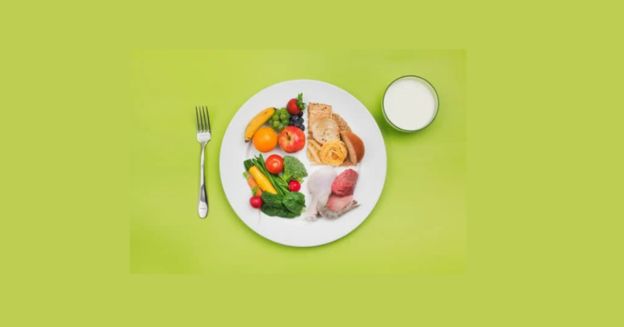
The plate method is a straightforward approach to designing nutritious meals. Allocate 50% of the plate for vegetables, 25% for protein, and another 25% for complex carbohydrates. I usually rely on this visual aid for most of my meals without the need for measurements.
The method of batch cooking is indeed a real-time saver. I usually cook a huge amount of rice and vegetables and roast a tray of vegetables, and chicken or beans are my favorite ways of preparing protein. Such items I prepared will be my round-the-week quick meal helpers.
Stocking up the freezer with meals I have made in advance is my second line of defense in many busy periods. My rule of thumb is to freeze a part of every soup; for example, I cook. In case I am too lazy to cook, I will not be tempted to reach out for fast food as these frozen meals are always at hand.
Create a list of your favorite balanced meals, and you will have the master list. On that list are my 20 favorite meals that I know are rich in vitamins and minerals, and they are tasty, too. In this way, the “what’s for dinner” stress that can provoke problematic choices is also being avoided.
Budget-Friendly Balanced Eating
Having a good, healthy diet doesn’t mean you have to spend a fortune. You can really save a lot of money by having a good, healthy diet if you are a smart shopper.
Beans and lentils are very cheap sources of protein. In Bangladesh, we use these in many ways of cooking, and I still use them today because they are a cheap source of nutrition. A pot of lentil dal only costs pennies per serving, but it gives you protein, fiber, and many nutrients.
The nutritional content of frozen fruits and vegetables is as good as that of fresh ones, and they are much cheaper. I always have frozen spinach, berries, and mixed vegetables in stock. After all, they do not get rotten, so no harm, no foul.
If you do the shopping when the product is in season, you will pay a smaller amount. Summer tomatoes and berries are many times cheaper than they are in winter. While I store the extras in the freezer for later, it is the prevailing wisdom to plan meals around the products in season.
It has been the case that the price of produce and staple foods in the international markets is quite reasonable than in the local markets. The Indian market which I go to offers me many products, and to allow them to try them out, I can only pay half the amount it is in the other regular markets.
It is much better if you do things on your own. Prepared foods often are more expensive and contain more sodium and preservatives. The price of hummus, salad dressings, and granola is three times cheaper when I make them myself. I make them in 5 and 10 minutes.
Do not waste food! Install new life into your leftover. The roast chicken from yesterday can be transformed into today’s lunch wrap. Have extra rice with some vegetables, and that’s it; tomorrow, fried rice will be a complete meal. Both savings and zero waste are two advantages of this method.
Balanced Eating When Dining Out
Don’t be afraid to eat out when pursuing a healthy lifestyle. Just a few helpful habits will help you have a good meal in a restaurant while following a healthy, balanced diet.
Check the menu available at the restaurant by looking at their website. I always open up the restaurant’s online menu earlier so that I can make a wise choice. This not only curtails the possibility of careless ordering but also smartly contributes to your healthy diet decision-making process.
It’s a nice idea to fill up on a green salad first. A salad of this type not only helps you with dietary fiber and nutrients earlier in the meal, but it also cuts down on the amount that you are going to eat. I usually start my meal with a small-sized salad to avoid being famished and still get the nutrition I need.
Having the dressing and sauces served separately is a good option. You can regulate the amount you use with this simple and healthy move. If you give the green light to the waitstaff to pour the dressings on the dish for you, well, you might as well expect them to add in a heap of calories.
Opt for grilled, baked, or steamed dishes rather than fried dishes. It’s surprising how much of a positive impact this dieting switchover has on one’s health. I, without fail, try to spot such cooking techniques on the menu.
Divide the large portion with someone or take the other half home. Most of the time, the serving a restaurant provides is sufficient for two meals. My husband and I usually share an entrée and order an extra serving of vegetables. This saves money and gives us a variety of tastes.
Avoid showing up ravenous. If I find myself very much in need of a meal, I, in most cases, indulge in a piece of fruit or a small amount of nuts at least half an hour before my main meal. Such eating can be a lot more beneficial to me when in a restaurant.
My Personal System for Maintaining Balance
By experimenting and making mistakes over a long period, I have come up with a unique way that allows me to also keep a healthy diet in real life.
The 80/20 principle is my best method. That is, I eat food that is 80% nutrient-dense and whole foods, and 20% is what I treat myself with, which also allows some ease and flexibility. This approach protects me from the incorrect “all-in or nothing” belief that prevented me from losing weight in the past.
At the start of every week, I prepare three basic items. Generally speaking, I choose a grain (such as quinoa), a protein (poultry such as chicken), and a vegetable mix. With these, I can make different quick meals throughout the week.
For emergencies, there are some foods in my fridge that I rely on to be good choices when I am too dispirited to cook. These are hard-boiled eggs, nuts, and fruit, which I store in the refrigerator, just in case I need to eat immediately. It is this habit that bars me from getting the takeaway trap of being “too hungry to cook.”
When it comes to my attitude toward food, I prefer to follow one that does not subtract but adds. So, rather than eliminating foods, I opt for the method of enriching my diet with more vegetables, fruits, and whole foods. Consequently, those less healthy foods will be crowded out of the diet. My preference is always to start taking notice of God whilst eating, which normally is of great benefit to me, and I often eat in silence for the purpose of meditation in order to know from within if it is to eat just then and, if so, how much. By doing so, it is easy for me to enjoy my meals and eat right in the process.
Mindful eating made all the difference. Even one meal a day in a quiet place, focusing on hunger and fullness while chewing and swallowing food without the TV or other distractions, ultimately provides the most comfort and much-needed peace of mind. I can easily regulate my meals without stress and in the simplest way while still nurturing my mind at the same time.
I change my action plans following the signals my body sends. For example, there are days when I think I need more vitality from carbohydrates and hence more of them, and other days, my body signals that my protein content should be higher. This also applies to how I normally cook and not overeating, thereby becoming sure of sticking to what I have vowed or to stop taking more calories.
One should bear in mind that equilibrium in life is a learned act rather than an absolute science. Every day cannot be fully balanced, but that is okay as well. The hope is that you will be better off at the end of the day rather than being the same all the time.
These actionable tactics are like a shield against daily life tremors of different kinds of changes. They are in a form that can be used for both my country’s traditional foods and for experimenting with new American foods. The main thing is to find the methods and systems that work best for your unique life and food program.
Fun Facts: Balanced Diet in Pop Culture
Video games- even video game types- help us learn more about having a balanced diet. The evidence of nutrition in pop culture, particularly the ‘Minecraft’ video game, which is truly a global success, is what we are going to show you.
Minecraft “A Balanced Diet” Achievement
There is a special accomplishment in Minecraft that is called “A Balanced Diet.” This achievement is attainable to a player who is determined and skillful enough to eat every kind of food presented in the game. This is one of the most difficult achievements, and thus, only a few players can earn it!
Number one of my nephew’s methods was to gather all the ingredients necessary to get that trophy. He had to hunt birds, collect fruit or fish, and also be a professional explorer in order to find rare things such as ice creams. The happiness of as a consequence of his reward was without any money equivalent.
The act of eating a balanced diet in Minecraft does not only happen unreal – different foods have different utility. This is visible when you eat some food, and your hunger skyrockets, while others have a side effect of giving you an uncommon power. Similar to real living activities, foodstuffs and drinks supply humans with different nutrients and properties.
The picture of the game is basic, but the right pattern of nutrition: you need to have diversity. Indeed, the lesson for the common man in the Minecraft world is the same: as in the real world, using only one source of food still is not enough. My nephew knew that under different circumstances, he would have to use various types of food products when he was in the game.
Comparing Virtual and Real-World Balanced Nutrition
The manner in which Minecraft deals with Food is similar to, and at the same time, different from, real nutrition. “Hunger points” and “saturation” are the terms Minecraft uses; thus, too, become our body’s specific nutrient needs. The representation in Minecraft is highly simplified compared to what goes on in our bodies. We require vitamins and minerals in addition to those elements, but only Food that is digestible constitutes feeding your hunger bar.
Our real life is dependent on complex things such as minerals, proteins, fats, vitamins, carbs, etc. Food in the game is technically just filling your hunger bar and providing you with all the essentials you need. Still, the basic concept of meeting the nutritional requirements of the body is similar in both the real and virtual worlds.
Achievement is the game’s response to the gestures of the players, who display their level of intelligence through the Food they eat. In the same manner, when we diversify our diet, our bodies give us rewards in the form of better health. The fact that I decided to vary the Food I eat is responsible for the improvement in my mood, energy levels, and overall health.
Consuming food items such as golden carrots and golden apples serves as a point of origin insofar as the body’s energy is concerned. Minecraft foods are sort of magic because they give you superpowers, and real Food does not do that. Still, specific nutrients help some body functions – take vitamin A for eyesight and protein for muscle repair, for example.
The Minecraft-like feature is that you can eat cake, cookies, and pumpkin pie all day without getting fat. In real life, however, the same thing would only bring drawbacks, and you would feel bad. Generally, children who play Minecraft must be taught this distinction between it and reality. As a matter of fact, my little cousins are used to playing Minecraft, and they sometimes need my help with the food questions.
Updates in Version 1.20
Minecraft version 1.20 presented new foods, further challenging players to get the “A Balanced Diet” achievement. The gamers will now have to look for the cherry items, which are part of the new foods, and eat them.
The change that the game underwent gives insight into our nutrition awareness, which progresses gradually. Just as Minecraft offers more and more foods, so does the science of nutrition, which comes out with things that make a balanced diet real.
For example, my nephew didn’t have to change his food-gathering strategy with the 1.20 update, and I didn’t need to adapt my eating habits to new nutrition research. Both of them were the same in that they necessitated flex and try the untried.
When the update turned “balanced” diets into unfed ones, you could see that some players were angry. Similarly, in real life, when we get to know new dietary guidelines, we get rid of our “healthy” diets that might have been missing something important.
The fact that the game still evolves proves that even in virtual worlds, food diversity is still as important, if not more. In real life, as in Minecraft, when you try new foods and explore, you certainly earn rewards.
Whether you’re playing the game or eating at the table, the practice is still unchanged: getting to eat a variety of foods is what a “balanced diet” is. The family now considers it a fun thing to eat new healthy foods together, and they consider it part of their health goals.
If the achievement is received by many participants, it means that nutrition ideas can be interesting if the right approach is used. You’d never guess that a game could keep such a significant health concept implanted.
FAQs About Balanced Diets
What exactly is a nutritionally balanced diet?
A well-balanced diet not only gives all the required nutrients to your body to have an energy surplus but also provides your body with the right type of nutrition. It can be likened to having a car with a full tank of a proper mixture of gas and oil – the car will run better and longer. Such a diet is rich in macronutrients such as proteins, carbohydrates, and fats and also includes the necessary vitamins and minerals.
How can eating a well-balanced diet help maintain healthy skin?
Consider your skin as a portrait of what you put in your body. A balanced diet full of antioxidants, healthy fats, and plenty of water makes your skin glow and healthy. There was a significant improvement in my skin after I switched a diet to a more omega-3 fatty acid-rich diet, focusing on products like salmon and walnuts and drinking water. You kind of pamper your skin internally.
What does “a balanced diet is a cookie in each hand” really mean?
This phrase light-heartedly illustrates the point that, in addition to the essential, a balanced plate should have happiness interrupted by sweets occasionally. It implies that a balanced way of living does not equate to rigorous limitations – it is about finding the endearing part. In my case, it is to eat a cookie without thinking about calories to live a pleasurable life together with a healthy nutrition plan.
How can I achieve a balanced diet on a budget?
Healthy eating can actually be quite an economical step. It is recommended that we concentrate more on the natural meal rather than the processed one. So foods like beans, lentils, or some sort of freshly picked fruits or vegetables are not only not expensive but also healthy and nutritious. Furthermore, I’ve come to the conclusion that cooking at home is a win-win situation both for my budget and my time. This way, it’s no secret that the meal will be more nutritious and cost you less compared to the other options that are processed.
What constitutes a balanced diet for women specifically?
Nutritional requirements for women differ depending on the stage of life. For example, a well-balanced diet for a woman means sufficient iron for those who have a period, more calcium for those in menopause, and more folate for prenatal women. This is not from the book that an iron-provided diet helped me get my energy back during my youth. Actually, this was from my own experience.
How can I ensure balanced nutrition if I have dietary restrictions?
Adhering to dietary limits is all about being clever and responsible. Concentrate on a variety of food items that you can eat. In general, if you can’t have milk, almond milk and leafy greens are good sources of calcium. Notably, adjusting to one’s needs and switching to another product not only ensures a variety of meals but also helps maintain the regular intake of nutrients.
What are the easiest ways to improve my current diet balance?
Start little by little and take baby steps towards smaller changes. Some examples of these changes might be gradually increasing the quantity of fruit and vegetables in your daily meals, switching from refined to whole grains, or adding a little bit of healthy fat such as avocado. By making these small, easy changes, I not only got a substantial boost of energy but also improved my passion for eating well. Keep in mind – the balance is not just a place to reach but a journey to go through frequently seeking.
Conclusion
A well-rounded diet is paramount to good health. However, the diet plan does not need to be complex or impeccable. As emphasized from the very beginning of this article, balance is a rich palette of nutrients that respect both individual and cultural food traditions.
The process of a well-balanced diet is individual and continuous. From my experience in Bangladesh and America, I saw that different food cultures are rich in their own versions of balance. My childhood food, like rice, fish, and vegetables, was naturally balanced, if simple, so as a thoughtfully prepared American meal is.
Remember, the little changes that often make a huge difference. I remember when I attempted to do it all at once, I never succeeded. But when I did one small thing at a time – adding more vegetables, going for whole grains, drinking more water – these seemed to stick and turned into a habit.
Your body is your best guide for tracking the well-being of your diet. If you feel energetic, sleep better, have stable moods, have healthier skin, and notice that it is easier for you to keep a healthy weight, then definitely you are eating right. I observed these changes in my body within a few weeks of correcting my diet balance, and it became my push.
Balance also means having joy and pleasure in eating, which is part of the balance. It’s true; a balanced diet can make room for a cookie – maybe not one in each hand, but surely treats in moderation! Food is not merely nourishment of the body, but it also feeds the soul when we approach it mindfully and not restrictively.
The biggest lesson I’ve gotten is that the balance is different for everybody. My technique may not be right for you. Seek out the patterns that will work best for you based on your experience, your cultural food heritage, and the rhythms of your body.
May my own story and the food and health basics I have shared with you motivate you to identify your balanced eating path. Begin this week with a small change, if you like. For example, add one more type of vegetable to your dinner, drink water instead of Coke, or try whole grains such as barley that you have never eaten before. These simple changes, when combined, will result in excellent, long-term transformations.
Having a balanced diet, which has caused my health transformation, is the most profound journey that I have been rewarded with in my life experience. Besides the obvious physical gains, I have also gained a deeper understanding of my cultural roots, more physical strength for the people around me and my daily activities, and lastly, I don’t feel the need to follow any more religious food practices though before I was a fanatic.
A balanced diet is not a cessation of a long-term practice but a refashioning – one which is ever-repeated with the throughout of time. Be patient with yourself, appreciate the process, and take care to hold on to the fact that the aim is not to become perfect but to make a step forward towards your healthiest and most colorful “you” in terms.


